
What Are Custom Stairs and Railings and How Do They Enhance Your Space?

Custom Stairs and Railings

A staircase is more than just a way to move between levels. It is a central design feature that can define the look and feel of an entire space. When paired with thoughtfully designed railings, it becomes a statement piece that combines function with style. Custom Stairs and Railings offer the opportunity to create something unique that reflects your personal taste while improving safety and usability.

From modern floating stairs to classic designs with detailed railings, customization allows you to transform an ordinary structure into a standout architectural element.

What Are Custom Stairs and Railings

Custom stairs and railings are designed and built specifically to fit the layout, style, and needs of a space. Unlike pre made options, they are tailored to match the dimensions and design preferences of the property.

Custom stairs can vary in shape, size, and structure, while railings are crafted to complement the staircase and provide support. Together, they create a cohesive design that enhances both function and appearance.

These features are commonly used in residential homes, commercial buildings, and outdoor spaces where design and durability are important.

Types of Custom Stair Designs

Custom stairs come in many different styles depending on the layout and design goals. Straight staircases are simple and practical, often used in smaller spaces.

L shaped and U shaped stairs provide a more dynamic layout and are commonly used in larger homes or multi level spaces.

Spiral staircases offer a compact and visually striking option, making them ideal for areas with limited space.

Floating stairs create a modern and open look by minimizing visible supports, giving the illusion that the steps are suspended.

Each design can be customized to fit the specific needs and style of the space.

Materials Used for Custom Stairs and Railings

The choice of materials plays a major role in the final look and performance of custom stairs and railings. Wood is a popular option for its warmth and natural appearance.

Metal materials such as steel and wrought iron provide strength and a sleek, modern look. They are often used for railings and structural elements.

Glass can be incorporated into railings to create an open and contemporary feel while maintaining safety.

Concrete is commonly used for durability and is often seen in modern or industrial designs.

Combining different materials can create a unique and balanced design.

Design Options for Railings

Railings are an essential part of staircase design, providing both safety and visual appeal. Custom railings can be designed in a variety of styles to match the overall aesthetic.

Modern railings often feature clean lines and minimal details, creating a sleek and simple look.

Traditional railings may include decorative patterns and intricate details, adding elegance and character.

Glass railings offer a transparent design that enhances openness and light flow.

Cable railings provide a contemporary option with a streamlined appearance.

Choosing the right railing design helps complete the look of the staircase.

Benefits of Custom Stairs and Railings

Custom stairs and railings offer several advantages that make them a valuable addition to any space. One of the main benefits is personalization. You can create a design that fits your style and complements your home.

They also improve functionality by ensuring that the staircase fits the space perfectly. This can enhance comfort and usability.

Durability is another key benefit. High quality materials and craftsmanship result in long lasting structures.

Custom designs can also increase property value by adding a unique and attractive feature.

In addition, they provide enhanced safety by meeting specific design and building requirements.

The Custom Stair and Railing Process

The process begins with planning and design. This includes measuring the space and discussing design preferences.

A detailed plan is created to outline the structure, materials, and layout. This ensures that the design meets both aesthetic and functional goals.

Fabrication follows, where materials are prepared and components are built according to the design.

Installation is the next step, ensuring that the stairs and railings are securely placed and properly aligned.

A final inspection ensures that everything meets quality and safety standards.

Each step is important for achieving a successful result.

Cost Considerations

The cost of custom stairs and railings can vary depending on several factors. Material choice is one of the main considerations, as different materials have different price ranges.

Design complexity also affects cost. Simple designs are generally more affordable, while intricate or custom features may require more labor.

The size and layout of the staircase can influence pricing as well.

Installation requirements and additional features may also impact the overall cost.

Understanding these factors helps you plan your budget effectively.

Maintenance and Care

Proper maintenance helps keep custom stairs and railings in excellent condition. Regular cleaning removes dust and debris.

Wood surfaces may require occasional refinishing to maintain their appearance. Metal components may need protective coatings to prevent wear.

Inspecting the structure ensures that all parts remain secure and functional.

With proper care, custom stairs and railings can last for many years.

Final Thoughts

Custom stairs and railings offer a perfect blend of functionality and design. They transform a basic structural element into a visually striking feature that enhances the overall space.

By choosing the right materials, style, and design, you can create a staircase that reflects your personality and meets your needs. With durability, flexibility, and timeless appeal, custom stairs and railings remain a valuable investment.

In the end, a well designed staircase is more than just a pathway between levels. It is a centerpiece that defines the character of your home and elevates the entire architectural experience.
What Are Concrete Services and Why Are They Essential for Construction Projects?

Concrete Services

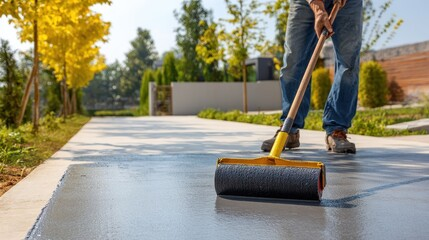
Look around any modern property and you will find concrete playing a major role in its structure and design. From driveways and sidewalks to foundations and patios, concrete is everywhere. It provides the strength and durability needed to support daily use while offering flexibility in design. Concrete services are what make these structures possible, turning raw materials into functional and long lasting features.

Concrete Franklin TN services are not just about pouring material into a space. They involve careful planning, preparation, and skilled execution to ensure that each project meets both structural and aesthetic goals. Understanding these services can help you make informed decisions for your next project.

What Are Concrete Services

Concrete services refer to the installation, repair, and maintenance of concrete structures. These services are used in both residential and commercial projects, covering everything from basic surfaces to complex structural work.

Professionals in this field handle tasks such as site preparation, concrete pouring, finishing, and curing. Each step is essential for creating a strong and durable result.

Concrete services can be customized to fit specific needs, whether you are building a new structure or improving an existing one.

The goal is to deliver a finished product that is reliable, functional, and visually appealing.

Types of Concrete Services

Concrete services cover a wide range of applications. One of the most common is foundation work, which provides the base for buildings and ensures structural stability.

Flatwork services include driveways, sidewalks, patios, and floors. These surfaces are designed for durability and everyday use.

Decorative concrete services focus on enhancing appearance. This includes stamped, colored, or textured finishes that add visual appeal.

Repair services address issues such as cracks, uneven surfaces, or wear. These services help restore the integrity of existing concrete.

Specialized services may include retaining walls, steps, and other structural elements that require precise construction.

Each type of service plays a role in creating a complete and functional project.

The Concrete Installation Process

The process of installing concrete begins with planning and preparation. The area is measured and cleared to ensure a stable base.

Next, the ground is leveled and compacted. This step is critical for preventing future settling or damage.

Formwork is installed to define the shape of the concrete. Reinforcement materials may be added to increase strength.

Concrete is then poured and spread evenly across the prepared area. Skilled workers ensure that the surface is properly finished.

Curing is the final step, allowing the concrete to harden and gain strength over time.

Each stage is important for achieving a high quality result.

Benefits of Concrete Services

Concrete services offer several advantages that make them a popular choice. One of the main benefits is durability. Concrete can withstand heavy loads and harsh weather conditions.

Low maintenance is another advantage. Once installed, concrete requires minimal upkeep compared to other materials.

Versatility allows for a wide range of design options. Concrete can be shaped, colored, and textured to match different styles.

Cost effectiveness is also a key benefit. Concrete provides long term value due to its strength and longevity.

In addition, concrete is resistant to fire and environmental damage, making it a safe and reliable option.

Residential vs Commercial Concrete Services

Concrete services can be tailored to different types of projects. Residential services focus on homes and smaller structures, such as driveways, patios, and walkways.

Commercial services involve larger and more complex projects, including office buildings, parking lots, and industrial facilities.

While the processes are similar, commercial projects often require more advanced equipment and coordination.

Understanding these differences helps you choose the right service for your needs.

Factors That Affect Concrete Projects

Several factors influence the success of a concrete project. Weather conditions play a significant role, as temperature and moisture affect curing.

Soil quality is another important factor. A stable base is necessary for long term durability.

Material quality also impacts performance. High quality concrete and reinforcement ensure better results.

Workmanship is equally important. Skilled professionals ensure that each step is completed correctly.

Considering these factors helps ensure a successful outcome.

Maintenance and Repair

Proper maintenance helps extend the life of concrete structures. Regular cleaning removes dirt and prevents buildup.

Sealing the surface can provide additional protection against moisture and stains. This is especially important for outdoor surfaces.

Inspecting for cracks or damage allows for early repairs, preventing larger issues.

Repair services can restore damaged areas and maintain structural integrity.

With proper care, concrete can remain in excellent condition for many years.

Choosing the Right Concrete Service Provider

Selecting the right provider is essential for achieving quality results. Experience is one of the most important factors to consider.

A reputable provider should have a proven track record and the skills needed to handle your project. Reviewing past work can provide insight into their capabilities.

Communication is also important. Clear expectations and regular updates help ensure a smooth process.

Understanding pricing and services helps you make informed decisions.

Choosing the right professionals ensures that your project is completed efficiently and effectively.

Final Thoughts

Concrete services are a fundamental part of construction and property improvement. They provide the strength, durability, and versatility needed for a wide range of projects.

By understanding the types of services available and the factors that influence success, you can make informed decisions that lead to high quality results. Whether you are working on a residential or commercial project, concrete services play a key role in creating structures that last.

In the end, concrete is more than just a building material. It is the foundation of reliable and functional spaces that support everyday life.