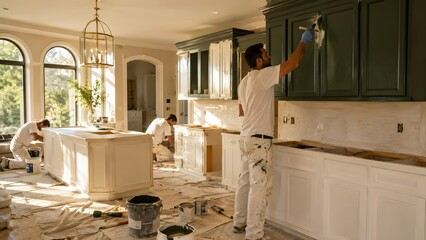
Cabinet Painting Sacramento is one of the most effective ways to refresh the appearance of a kitchen, bathroom, laundry room, or built-in storage without the cost of a complete replacement. A fresh coat of paint can brighten a space, modernize outdated cabinetry, and extend the life of cabinets that are still structurally sound. However, achieving a durable, professional-looking finish involves much more than simply applying paint with a brush or roller.
Proper preparation, quality materials, and careful application all play important roles in the final result. Understanding the cabinet painting process helps homeowners know what to expect and why each step contributes to a beautiful, long-lasting finish.
Why Is Proper Preparation So Important?
Preparation is the foundation of every successful cabinet painting project. Before any paint is applied, cabinet doors, drawers, shelves, and hardware are typically removed to allow every surface to be painted evenly. Labeling each component helps ensure everything is returned to its original position after the project is complete. This extra organization prevents confusion during reassembly and helps maintain proper door alignment. Careful preparation creates a smoother and more efficient painting process.
Cleaning is another essential part of preparation because cabinets often collect grease, cooking residue, dust, and fingerprints over time. Even cabinets that appear clean may have invisible contaminants that prevent paint from adhering properly. Thorough cleaning removes these substances and creates a suitable surface for the next steps. Once cleaned, any dents, scratches, or minor imperfections can be repaired before sanding begins. Proper preparation greatly improves the durability and appearance of the finished cabinets.
How Are Cabinets Prepared Before Painting?
After cleaning, the cabinet surfaces are lightly sanded to create a smooth profile that promotes better paint adhesion. Sanding removes gloss from existing finishes while smoothing small imperfections that could show through the new paint. Depending on the condition of the cabinets, different sanding methods may be used to achieve the desired surface. Dust is carefully removed after sanding to prevent particles from becoming trapped beneath the paint. A clean, smooth surface produces more professional results.
Once sanding is complete, primer is usually applied to help the paint bond securely to the cabinet material. Primer also helps block stains, reduce uneven absorption, and create a consistent base color for the finish coat. Different cabinet materials, including wood, laminate, or previously painted surfaces, may require different types of primer. Allowing the primer to dry completely before painting is essential for achieving a durable finish. This step significantly improves both coverage and longevity.
What Happens During the Painting Stage?
The painting stage requires patience and attention to detail to achieve a smooth, even finish. Thin, consistent coats of paint are generally preferred over thick applications because they reduce the risk of drips, brush marks, and uneven texture. Each coat is allowed to dry according to the manufacturer’s recommendations before the next one is applied. Multiple coats often provide better color depth, durability, and overall appearance. Careful application helps create a factory-like finish.
Different application methods may be used depending on the project and the desired result. Brushes are useful for detailed areas, while rollers can provide consistent coverage on flat surfaces. Many professionals use spray equipment because it produces an exceptionally smooth finish with minimal visible texture. Regardless of the application method, maintaining consistent coverage throughout the project is important. Uniform application contributes to a polished and attractive appearance.
How Long Does the Cabinet Painting Process Take?
The total time required for cabinet painting depends on several factors, including the number of cabinets, their condition, the drying time between coats, and the complexity of the project. Smaller projects may be completed within a few days, while larger kitchens or detailed cabinetry often require additional time. Proper curing should never be rushed because freshly painted cabinets need time to develop their full durability. Allowing adequate drying time helps protect the finish from damage during reassembly. Patience contributes to better long-term results.
Environmental conditions can also influence the project timeline. Temperature, humidity, and ventilation affect how quickly primer and paint dry between coats. Maintaining appropriate conditions throughout the painting process helps ensure consistent curing and finish quality. Although homeowners may be eager to use their cabinets again, waiting until the paint has fully cured reduces the likelihood of scratches, fingerprints, or surface damage. A carefully managed schedule improves the final outcome.
How Are Cabinets Reassembled After Painting?
Once the paint has dried and cured sufficiently, the cabinets are carefully reassembled. Doors, drawers, shelves, hinges, and handles are returned to their original locations using the labels created during preparation. Proper alignment is checked to ensure that doors open and close smoothly without rubbing against adjacent surfaces. Making these adjustments after reinstallation helps achieve a clean, professional appearance. Attention to detail during reassembly completes the transformation.
Hardware may also be cleaned or replaced during this stage to complement the newly painted cabinets. Updating handles, knobs, or hinges can further modernize the overall appearance without requiring major renovations. Any final touch-ups are completed before the project is considered finished. A careful final inspection helps verify that every surface has been painted evenly and that all components function correctly. Proper reassembly enhances both appearance and functionality.
How Can Homeowners Maintain Painted Cabinets?
Routine maintenance helps preserve the appearance of painted cabinets for many years. Gentle cleaning with a soft cloth and mild cleaning solution removes fingerprints, food residue, and dust without damaging the finish. Harsh chemicals, abrasive cleaners, and rough scrubbing pads should generally be avoided because they may dull or scratch the painted surface. Consistent care keeps cabinets looking fresh and attractive. Simple maintenance protects the investment.
Homeowners should also address minor chips or scratches promptly before they become more noticeable. Using cabinet doors carefully, avoiding excessive moisture, and preventing impacts from heavy cookware all help extend the life of the finish. Kitchens and bathrooms benefit from good ventilation because excessive humidity can affect painted surfaces over time. Regular inspection allows small issues to be corrected before they require more extensive repairs. Preventive maintenance supports lasting beauty.
Is Cabinet Painting Better Than Replacing Cabinets?
For many homeowners, cabinet painting offers an excellent alternative to full cabinet replacement. If the cabinet boxes and doors remain structurally sound, painting can dramatically improve their appearance while costing significantly less than installing entirely new cabinetry. This approach allows homeowners to update the style of their space without the disruption of major remodeling. A fresh color can completely transform the room while preserving existing cabinet layouts. Cabinet painting provides an affordable renovation option.
Cabinet painting also offers greater design flexibility because homeowners can choose from a wide range of colors and finishes that match their decorating preferences. Whether creating a bright modern kitchen, a warm traditional space, or a timeless neutral design, painted cabinets adapt easily to changing trends. When completed using proper preparation and quality materials, painted cabinets can provide many years of dependable performance. Choosing cabinet painting allows homeowners to refresh their interiors while maximizing the value of their existing cabinetry.
Final Thoughts
The cabinet painting process involves much more than simply applying a new coat of paint. Every stage, from careful preparation and cleaning to sanding, priming, painting, curing, and reassembly, contributes to the quality and durability of the finished result. By following the proper process and allowing adequate time for each step, homeowners can enjoy beautifully refreshed cabinets that enhance both the appearance and functionality of their living spaces. Understanding the cabinet painting process helps set realistic expectations while highlighting the value of careful workmanship and long-term maintenance.