What Are Concrete Services and Why Are They Essential for Construction Projects?

Concrete Services

Look around any modern property and you will find concrete playing a major role in its structure and design. From driveways and sidewalks to foundations and patios, concrete is everywhere. It provides the strength and durability needed to support daily use while offering flexibility in design. Concrete services are what make these structures possible, turning raw materials into functional and long lasting features.

Concrete Franklin TN services are not just about pouring material into a space. They involve careful planning, preparation, and skilled execution to ensure that each project meets both structural and aesthetic goals. Understanding these services can help you make informed decisions for your next project.

What Are Concrete Services

Concrete services refer to the installation, repair, and maintenance of concrete structures. These services are used in both residential and commercial projects, covering everything from basic surfaces to complex structural work.

Professionals in this field handle tasks such as site preparation, concrete pouring, finishing, and curing. Each step is essential for creating a strong and durable result.

Concrete services can be customized to fit specific needs, whether you are building a new structure or improving an existing one.

The goal is to deliver a finished product that is reliable, functional, and visually appealing.

Types of Concrete Services

Concrete services cover a wide range of applications. One of the most common is foundation work, which provides the base for buildings and ensures structural stability.

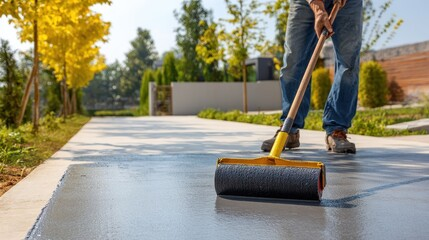
Flatwork services include driveways, sidewalks, patios, and floors. These surfaces are designed for durability and everyday use.

Decorative concrete services focus on enhancing appearance. This includes stamped, colored, or textured finishes that add visual appeal.

Repair services address issues such as cracks, uneven surfaces, or wear. These services help restore the integrity of existing concrete.

Specialized services may include retaining walls, steps, and other structural elements that require precise construction.

Each type of service plays a role in creating a complete and functional project.

The Concrete Installation Process

The process of installing concrete begins with planning and preparation. The area is measured and cleared to ensure a stable base.

Next, the ground is leveled and compacted. This step is critical for preventing future settling or damage.

Formwork is installed to define the shape of the concrete. Reinforcement materials may be added to increase strength.

Concrete is then poured and spread evenly across the prepared area. Skilled workers ensure that the surface is properly finished.

Curing is the final step, allowing the concrete to harden and gain strength over time.

Each stage is important for achieving a high quality result.

Benefits of Concrete Services

Concrete services offer several advantages that make them a popular choice. One of the main benefits is durability. Concrete can withstand heavy loads and harsh weather conditions.

Low maintenance is another advantage. Once installed, concrete requires minimal upkeep compared to other materials.

Versatility allows for a wide range of design options. Concrete can be shaped, colored, and textured to match different styles.

Cost effectiveness is also a key benefit. Concrete provides long term value due to its strength and longevity.

In addition, concrete is resistant to fire and environmental damage, making it a safe and reliable option.

Residential vs Commercial Concrete Services

Concrete services can be tailored to different types of projects. Residential services focus on homes and smaller structures, such as driveways, patios, and walkways.

Commercial services involve larger and more complex projects, including office buildings, parking lots, and industrial facilities.

While the processes are similar, commercial projects often require more advanced equipment and coordination.

Understanding these differences helps you choose the right service for your needs.

Factors That Affect Concrete Projects

Several factors influence the success of a concrete project. Weather conditions play a significant role, as temperature and moisture affect curing.

Soil quality is another important factor. A stable base is necessary for long term durability.

Material quality also impacts performance. High quality concrete and reinforcement ensure better results.

Workmanship is equally important. Skilled professionals ensure that each step is completed correctly.

Considering these factors helps ensure a successful outcome.

Maintenance and Repair

Proper maintenance helps extend the life of concrete structures. Regular cleaning removes dirt and prevents buildup.

Sealing the surface can provide additional protection against moisture and stains. This is especially important for outdoor surfaces.

Inspecting for cracks or damage allows for early repairs, preventing larger issues.

Repair services can restore damaged areas and maintain structural integrity.

With proper care, concrete can remain in excellent condition for many years.

Choosing the Right Concrete Service Provider

Selecting the right provider is essential for achieving quality results. Experience is one of the most important factors to consider.

A reputable provider should have a proven track record and the skills needed to handle your project. Reviewing past work can provide insight into their capabilities.

Communication is also important. Clear expectations and regular updates help ensure a smooth process.

Understanding pricing and services helps you make informed decisions.

Choosing the right professionals ensures that your project is completed efficiently and effectively.

Final Thoughts

Concrete services are a fundamental part of construction and property improvement. They provide the strength, durability, and versatility needed for a wide range of projects.

By understanding the types of services available and the factors that influence success, you can make informed decisions that lead to high quality results. Whether you are working on a residential or commercial project, concrete services play a key role in creating structures that last.

In the end, concrete is more than just a building material. It is the foundation of reliable and functional spaces that support everyday life.
How Much Does Septic Tank Pumping Cost? A Homeowner’s Pricing Guide

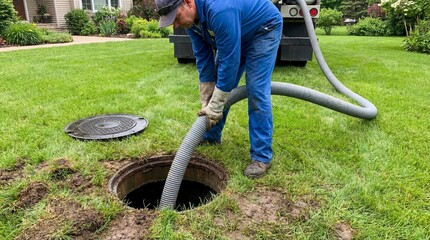
Septic Pumping Fresno is an essential maintenance service for homes that rely on septic systems. Over time, sludge and scum accumulate inside the tank and must be removed before they interfere with normal wastewater treatment. For many homeowners, one of the biggest questions is how much septic tank pumping costs and what factors influence the final bill. Pricing can vary considerably depending on tank size, accessibility, location, waste volume, and whether additional services are required. Understanding these cost factors can help homeowners budget for septic maintenance, compare estimates, and avoid unexpected expenses.

What Is the Average Cost of Septic Tank Pumping?

The average cost of septic tank pumping varies by region and property. In many areas, a routine residential pumping service can cost a few hundred dollars, while larger tanks, difficult access, heavy waste accumulation, or additional services can push the price higher.

Because labor rates, disposal fees, travel distances, and local regulations vary, national averages should only be used as general budgeting estimates. The most accurate way to determine your cost is to request a quote from a local septic service company.

When comparing estimates, make sure you understand exactly what is included. One company may include basic inspection or filter service, while another may charge separately for those tasks.

What Factors Affect Septic Tank Pumping Cost?

Several factors determine how much homeowners ultimately pay for septic pumping. Tank size is an obvious consideration, but it is not the only one.

Common factors include:

  • Septic tank capacity
  • Amount of sludge and scum
  • Accessibility of the tank
  • Depth of buried access lids
  • Number of tanks that need pumping
  • Distance from the tank to the pumping truck
  • Local labor rates
  • Waste treatment and disposal fees
  • Travel distance to the property
  • Emergency or after-hours service
  • Additional cleaning or inspection services

Providing the septic company with information about your system when requesting an estimate can help produce a more accurate quote.

Does Septic Tank Size Affect Pumping Cost?

Yes. Larger septic tanks generally have the potential to contain more wastewater and accumulated solids, which can affect pumping time and disposal volume. As a result, pumping a larger tank may cost more than servicing a smaller residential tank.

However, size alone does not determine the price. A smaller tank containing unusually thick sludge or located in a difficult-to-access area could require more labor than a larger tank with convenient access.

If you do not know your tank capacity, check previous septic service records, property documents, or system installation records. A septic professional may also be able to help identify the tank size.

Does a Buried Septic Tank Lid Increase the Cost?

It can. Before pumping can begin, technicians need safe access to the septic tank. If the access lid is already at or near ground level, the process is relatively straightforward.

When the lid is buried, additional labor may be required to locate and excavate it. The deeper the access point or the more difficult the surrounding conditions, the more time the process can take.

Some homeowners install septic risers that bring access points closer to ground level. Although installing a riser involves an upfront expense, easier access can make future inspections and pumping appointments more convenient.

Does the Amount of Sludge Affect Pumping Prices?

The condition of the tank can influence the amount of work required. A tank maintained on an appropriate schedule is generally easier to service than one that has been neglected for many years.

Heavy or compacted sludge may require additional effort to remove thoroughly. If extra cleaning is necessary beyond ordinary pumping, the company may charge an additional fee.

This is one reason regular maintenance can be beneficial financially. Allowing excessive buildup to develop can turn a routine appointment into a more complicated service.

Is Septic Tank Cleaning More Expensive Than Pumping?

The terms septic pumping and septic cleaning are sometimes used interchangeably, but companies may define them differently. Pumping generally involves using vacuum equipment to remove wastewater, sludge, and scum from the tank.

A more extensive cleaning service may involve additional work to loosen and remove stubborn accumulated solids. If extra equipment or labor is necessary, the service may cost more than routine pumping.

Before accepting an estimate, ask the company what its service includes. Comparing two prices is only useful when both providers are quoting similar work.

Are Septic Tank Inspections Included in Pumping Costs?

It depends on the company and type of inspection. A technician may visually observe accessible tank components during routine pumping, but a comprehensive septic system inspection can be a separate service.

Detailed inspections may evaluate additional components and system performance beyond simply emptying the tank. Inspections associated with real estate transactions may also have different requirements depending on the location.

Ask whether an inspection is included in the pumping quote and what exactly will be examined. This prevents confusion when comparing prices.

How Much Does Emergency Septic Pumping Cost?

Emergency septic pumping can cost more than a scheduled maintenance appointment, particularly when service is required at night, on weekends, or during holidays. A wastewater backup may also require additional diagnostic or cleanup work beyond pumping.

If sewage is backing up into the home, homeowners should minimize unnecessary water use and arrange professional assistance promptly. Pumping may be necessary, but a backup can also result from blocked lines or drain field problems.

Preventive maintenance cannot eliminate every septic emergency, but maintaining an appropriate pumping schedule can reduce the risk of problems caused by excessive tank buildup.

How Often Should You Pay for Septic Tank Pumping?

There is no universal pumping schedule for every home. The appropriate interval depends on household size, tank capacity, water consumption, waste habits, and the amount of solids entering the system.

Many residential septic systems are pumped every few years, but some require more frequent service. Rather than relying exclusively on a general timeline, homeowners should use previous maintenance records and professional observations to establish an appropriate schedule.

Recording each pumping date can also make future budgeting easier.

Can Regular Pumping Save You Money?

Routine pumping represents an ongoing maintenance expense, but it can help protect more expensive septic components. Excessive sludge accumulation can reduce the tank’s effective capacity and increase the possibility of solids moving toward downstream parts of the system.

Drain field problems can be significantly more complicated and costly than routine tank maintenance. Pumping cannot prevent every type of septic failure, but it addresses one major maintenance issue homeowners can control.

Regular service also creates opportunities to notice accessible damaged components before they contribute to larger problems.

How Can You Lower Septic Tank Pumping Costs?

Homeowners can make routine septic service more predictable by maintaining good records and keeping access points reasonably accessible. Knowing where the tank is located can prevent technicians from spending additional time searching for it.

Responsible septic use can also reduce unnecessary waste accumulation. Avoid flushing wipes, paper towels, diapers, hygiene products, and other inappropriate materials. Cooking oils and grease should also be kept out of household drains.

Repairing leaking toilets and faucets and managing household water use can further support proper septic operation. These habits will not eliminate the need for pumping, but they can help protect the system between service visits.

Is the Cheapest Septic Pumping Company the Best Option?

Price should be considered, but it should not be the only factor when choosing a septic service provider. An unusually inexpensive quote may not include excavation, disposal, inspection, or other services included by another company.

Ask each provider for a clear explanation of the work included in the price. It can also be useful to ask about licensing requirements in your area, insurance, experience, disposal practices, and additional fees.

Comparing the total scope of service provides a better picture of value than simply choosing the lowest advertised price.

What Should You Ask Before Scheduling Septic Pumping?

Before booking an appointment, ask the septic company for details about pricing and service. Useful questions include:

  • What is included in the pumping price?
  • Are there additional charges based on tank size?
  • Does locating the septic tank cost extra?
  • Is excavation of a buried lid included?
  • Are waste disposal fees included?
  • Is a basic inspection performed during service?
  • Are filter cleaning or other maintenance tasks extra?
  • Are travel charges applicable to my property?
  • How much does emergency or after-hours service cost?
  • Will I receive documentation after the tank is pumped?

Getting these details beforehand makes it easier to compare estimates and avoid unexpected charges.

When Should You Schedule Septic Tank Pumping?

Ideally, septic pumping should be scheduled as preventive maintenance rather than in response to an emergency. Homeowners should keep track of previous service dates and follow a schedule appropriate for their household and system.

Multiple slow drains, gurgling plumbing, persistent sewage odors, wastewater backups, or unusual wet areas near septic components can indicate a problem that needs professional evaluation. However, these symptoms do not always mean the tank simply needs pumping.

A septic professional can determine whether pumping is appropriate or whether a blocked pipe, damaged component, or drain field issue requires further attention.

Final Thoughts

So, how much does septic tank pumping cost? For many homeowners, routine service amounts to a few hundred dollars, but the actual price depends heavily on the property, tank size, location, accessibility, waste accumulation, and services included. Buried lids, difficult access, heavy sludge, emergency appointments, and additional inspections or cleaning can increase the final cost.

The best way to obtain accurate pricing is to request a detailed estimate from a local septic service provider. Ask what is included and whether excavation, disposal, inspections, or other services carry additional fees. Most importantly, avoid waiting for a sewage backup before thinking about maintenance. Routine septic tank pumping is a relatively predictable household expense that can help protect the system and reduce the risk of more complicated problems.

Hydro Jetting Sewer Line

Whether you’re a homeowner tired of repeat drain clogs, a business owner maintaining health-code compliance, or a property professional protecting an aging infrastructure, hydro jetting for sewer line is the answer.

Sewer Line

Hydro jetting involves inserting a nozzle into an access port, usually located in the plumbing cleanout or near the clogged pipe. The high-pressure water blasts away grease, mineral deposits, soap scum, and tree roots.

Most property owners experience slow or clogged drains and sewer lines at some point. Materials such as hair, soap scum, grease and mineral buildup accumulate over time, leading to slow or clogged pipes. While traditional methods such as snakes and chemical cleaners can offer temporary relief, hydro jetting is an effective and long-term solution.

The high-pressure water stream can dislodge and remove even the toughest clogs, while also cleaning away the debris and residue that leads to future blockages. This powerful but environmentally conscious method can also help save money by preventing costly emergency repairs in the future.

Unlike snakes and augers, which are limited in their reach, a professional-grade residential hydro-jetting system can penetrate deep into the pipes to clear stubborn clogs and other issues. The power of the water is enough to break up and wash away tree roots that have infiltrated the sewer line, as well as flush out accumulated sediment and scale.

While the initial cost of hydro jetting may be more than other options, it’s an investment that pays off over time. Regularly scheduled hydro jetting can extend the life of your pipes and reduce the risk of severe clogs and costly pipe damage in the future.

Clogged and blocked pipes are a common plumbing issue that can cause significant damage to your home or business. Depending on the size and location of the clog, these issues can lead to expensive and disruptive emergency repairs.

In addition to preventing costly emergencies, regularly scheduled hydro jetting can help lower your utility bills. Clogged or blocked lines force appliances like washing machines and dishwashers to work harder to push water through, which can lead to increased energy consumption.

With the help of a professional, you can set up a maintenance schedule that addresses minor clogs as soon as they appear. Taking preventative measures, like addressing minor clogs promptly, can significantly cut your utility costs and save you from costly emergency repair services in the future. Contact Champion Industrial for more information about the many benefits of residential and commercial hydro jetting.

Environmentally Friendly

Clogged sewer lines cause major problems, like waste backups and even sewage spills in homes. These foul smells aren’t just a nuisance; they can lead to major health issues and structural damage for homeowners. Hydro jetting can eliminate those odifers, and keep your pipes clear to prevent future blockages from occurring.

Traditional methods like drain snakes or chemical cleaners can dislodge a clog, but they don’t address the underlying issue of mineral buildup or grease accumulation. With hydro jetting, your plumber can scour away any buildup to keep your sewer line clean and functioning properly.

Hydro jetting is also environmentally friendly because it uses water to clean your pipes, rather than harsh chemicals. Those chemicals can seep into groundwater or flow into nearby bodies of water, causing harm to aquatic life and potentially contaminating drinking water. Hydro jetting safely removes all traces of fat, paper products, so-called “flushable” wipes and other debris to fully clean and flush your pipes.

Another way that hydro jetting is environmentally friendly is by allowing your plumber to work without digging into your property. Unlike trenching and excavation, hydro jetting uses flexible hoses that fit into pre-existing access points in your home sewer lines to reach the source of the clog. That allows your plumber to quickly and effectively clear your pipes without disturbing your lawn or driveway.

When your plumber hydro jetting your home sewer line, they use a high-pressure nozzle to cut through the clog. The forward-facing jets break up and wash away the toughest debris, while the rear-facing jets scour away any accumulated grease or sludge. The nozzle can be adjusted to focus more power on areas with more severe obstructions, such as a root invasion or a hard-packed grease clog.

Hydro jetting is also compatible with most pipe materials, including plastics like PVC and CVPC and metals like copper and steel. It can even work on older cast iron and clay pipes. Having your home sewer laterals hydro jetted regularly can help prevent blockages that can wreak havoc on your plumbing system and your wallet.

Quick

When your home’s plumbing is backed up, you need to find a fast way to clear the blockage. That’s why hydro jetting is the ideal drain-clearing method to use in these situations. The pressurized water can blast through any obstruction and clear it away without damaging the pipes, unlike other methods such as plumber’s snakes or drain augers.

The high-pressure water also helps prevent future clogs, by flushing out grime that lines the pipes. The intense water pressure can break up and dissolve even the toughest materials like hard mineral scale, clogged hair, and tree roots. In addition, the water can dislodge and remove grease rings that can lead to clogged drains and sewer backups.

Signs that your sewer line is in need of hydro jetting include a bad odor coming from your drains or toilets, slow-emptying drains, and frequent clogs or backups. Often, these signs are an indication of a much larger problem that requires immediate attention.

A plumber who specializes in hydro jetting can inspect your home’s pipes and sewer line using video inspection equipment to determine the severity of the clog and locate its source. They can then decide whether or not to proceed with hydro jetting. If they decide to use it, they will insert the nozzle into the access point of your sewer pipe (also known as a cleanout), and release the high-pressure water.

There are several types of nozzles that can be used, depending on the type of blockage you’re dealing with. For example, penetrating tips are often used to cut through clogged roots. Forward-facing nozzles can be used to dislodge clogged grease and waste that accumulates in commercial kitchens and food service areas. Likewise, chisel nozzles can be used to break up and dislodge compacted debris like ice and hardened buildup.

Another great advantage of hydro jetting is that it doesn’t require chemicals, which can damage your pipes and cause environmental hazards. The only downside is that it can be expensive to have this process done by a professional plumber. But it’s well worth the investment in the long run, considering that the high-pressure water can be very effective at clearing clogs and preventing them from returning.

Safe

Hydro jetting is safe for your pipes, but it’s important that a professional plumber perform this service. This equipment is much more powerful than your garden variety pressure washer and can damage the pipes if not handled properly. The plumbing professional will use a sewer camera to check the condition of the pipes and determine whether or not they can withstand the high-pressure water jet. Once they have determined this, the plumber will insert a specialized nozzle that delivers a single jet of water straight through the pipe. This blast of water cuts through tree roots, flushes clogs and breaks up grease accumulation.

The specialized nozzle also releases multiple rear-facing jets of water that scrub the inside of the pipes and dissolve sludge and other debris. This complete clean of the pipe walls helps to prevent future blockages and maintain a healthy line.

This method is particularly useful for residential and commercial properties with older pipes that are more likely to develop mineral buildup, hair mats or clogs. It’s also an effective solution for businesses that are experiencing repeated drain problems that basic tools like snaking cannot resolve. Frequent clogs, slow-emptying sinks and toilets and foul sewer odors are all signs that the lines need a deep cleaning from a plumbing professional.

Unlike chemical drain cleaners that can release volatile organic compounds or contribute to wastewater pollution, hydro jetting uses only potable water to clean the pipes. This zero-chemical approach is environmentally sustainable, helps to protect the health of the people using the drains and ensures that no residual toxicity is left behind in the line. It is also a great choice for industrial locations that require a clean and hygienic drainage system. The high-pressure water jets also make the procedure quick and less invasive than traditional sewer line excavation methods. The plumbing professional can quickly clear and flush the lines without requiring any digging or trenching, which means that there is less disruption to the property and fewer safety concerns for workers. The high-pressure water can even penetrate through broken or deteriorated lines, removing clogs and restoring proper flow.