Septic Pumping Fresno is an essential maintenance service for homes that rely on septic systems. Over time, sludge and scum accumulate inside the tank and must be removed before they interfere with normal wastewater treatment. For many homeowners, one of the biggest questions is how much septic tank pumping costs and what factors influence the final bill. Pricing can vary considerably depending on tank size, accessibility, location, waste volume, and whether additional services are required. Understanding these cost factors can help homeowners budget for septic maintenance, compare estimates, and avoid unexpected expenses.
What Is the Average Cost of Septic Tank Pumping?
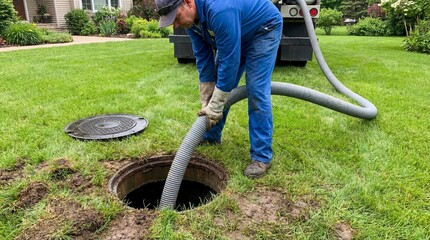
The average cost of septic tank pumping varies by region and property. In many areas, a routine residential pumping service can cost a few hundred dollars, while larger tanks, difficult access, heavy waste accumulation, or additional services can push the price higher.
Because labor rates, disposal fees, travel distances, and local regulations vary, national averages should only be used as general budgeting estimates. The most accurate way to determine your cost is to request a quote from a local septic service company.
When comparing estimates, make sure you understand exactly what is included. One company may include basic inspection or filter service, while another may charge separately for those tasks.
What Factors Affect Septic Tank Pumping Cost?
Several factors determine how much homeowners ultimately pay for septic pumping. Tank size is an obvious consideration, but it is not the only one.
Common factors include:
- Septic tank capacity
- Amount of sludge and scum
- Accessibility of the tank
- Depth of buried access lids
- Number of tanks that need pumping
- Distance from the tank to the pumping truck
- Local labor rates
- Waste treatment and disposal fees
- Travel distance to the property
- Emergency or after-hours service
- Additional cleaning or inspection services
Providing the septic company with information about your system when requesting an estimate can help produce a more accurate quote.
Does Septic Tank Size Affect Pumping Cost?
Yes. Larger septic tanks generally have the potential to contain more wastewater and accumulated solids, which can affect pumping time and disposal volume. As a result, pumping a larger tank may cost more than servicing a smaller residential tank.
However, size alone does not determine the price. A smaller tank containing unusually thick sludge or located in a difficult-to-access area could require more labor than a larger tank with convenient access.
If you do not know your tank capacity, check previous septic service records, property documents, or system installation records. A septic professional may also be able to help identify the tank size.
Does a Buried Septic Tank Lid Increase the Cost?
It can. Before pumping can begin, technicians need safe access to the septic tank. If the access lid is already at or near ground level, the process is relatively straightforward.
When the lid is buried, additional labor may be required to locate and excavate it. The deeper the access point or the more difficult the surrounding conditions, the more time the process can take.
Some homeowners install septic risers that bring access points closer to ground level. Although installing a riser involves an upfront expense, easier access can make future inspections and pumping appointments more convenient.
Does the Amount of Sludge Affect Pumping Prices?
The condition of the tank can influence the amount of work required. A tank maintained on an appropriate schedule is generally easier to service than one that has been neglected for many years.
Heavy or compacted sludge may require additional effort to remove thoroughly. If extra cleaning is necessary beyond ordinary pumping, the company may charge an additional fee.
This is one reason regular maintenance can be beneficial financially. Allowing excessive buildup to develop can turn a routine appointment into a more complicated service.
Is Septic Tank Cleaning More Expensive Than Pumping?
The terms septic pumping and septic cleaning are sometimes used interchangeably, but companies may define them differently. Pumping generally involves using vacuum equipment to remove wastewater, sludge, and scum from the tank.
A more extensive cleaning service may involve additional work to loosen and remove stubborn accumulated solids. If extra equipment or labor is necessary, the service may cost more than routine pumping.
Before accepting an estimate, ask the company what its service includes. Comparing two prices is only useful when both providers are quoting similar work.
Are Septic Tank Inspections Included in Pumping Costs?
It depends on the company and type of inspection. A technician may visually observe accessible tank components during routine pumping, but a comprehensive septic system inspection can be a separate service.
Detailed inspections may evaluate additional components and system performance beyond simply emptying the tank. Inspections associated with real estate transactions may also have different requirements depending on the location.
Ask whether an inspection is included in the pumping quote and what exactly will be examined. This prevents confusion when comparing prices.
How Much Does Emergency Septic Pumping Cost?
Emergency septic pumping can cost more than a scheduled maintenance appointment, particularly when service is required at night, on weekends, or during holidays. A wastewater backup may also require additional diagnostic or cleanup work beyond pumping.
If sewage is backing up into the home, homeowners should minimize unnecessary water use and arrange professional assistance promptly. Pumping may be necessary, but a backup can also result from blocked lines or drain field problems.
Preventive maintenance cannot eliminate every septic emergency, but maintaining an appropriate pumping schedule can reduce the risk of problems caused by excessive tank buildup.
How Often Should You Pay for Septic Tank Pumping?
There is no universal pumping schedule for every home. The appropriate interval depends on household size, tank capacity, water consumption, waste habits, and the amount of solids entering the system.
Many residential septic systems are pumped every few years, but some require more frequent service. Rather than relying exclusively on a general timeline, homeowners should use previous maintenance records and professional observations to establish an appropriate schedule.
Recording each pumping date can also make future budgeting easier.
Can Regular Pumping Save You Money?
Routine pumping represents an ongoing maintenance expense, but it can help protect more expensive septic components. Excessive sludge accumulation can reduce the tank’s effective capacity and increase the possibility of solids moving toward downstream parts of the system.
Drain field problems can be significantly more complicated and costly than routine tank maintenance. Pumping cannot prevent every type of septic failure, but it addresses one major maintenance issue homeowners can control.
Regular service also creates opportunities to notice accessible damaged components before they contribute to larger problems.
How Can You Lower Septic Tank Pumping Costs?
Homeowners can make routine septic service more predictable by maintaining good records and keeping access points reasonably accessible. Knowing where the tank is located can prevent technicians from spending additional time searching for it.
Responsible septic use can also reduce unnecessary waste accumulation. Avoid flushing wipes, paper towels, diapers, hygiene products, and other inappropriate materials. Cooking oils and grease should also be kept out of household drains.
Repairing leaking toilets and faucets and managing household water use can further support proper septic operation. These habits will not eliminate the need for pumping, but they can help protect the system between service visits.
Is the Cheapest Septic Pumping Company the Best Option?
Price should be considered, but it should not be the only factor when choosing a septic service provider. An unusually inexpensive quote may not include excavation, disposal, inspection, or other services included by another company.
Ask each provider for a clear explanation of the work included in the price. It can also be useful to ask about licensing requirements in your area, insurance, experience, disposal practices, and additional fees.
Comparing the total scope of service provides a better picture of value than simply choosing the lowest advertised price.
What Should You Ask Before Scheduling Septic Pumping?
Before booking an appointment, ask the septic company for details about pricing and service. Useful questions include:
- What is included in the pumping price?
- Are there additional charges based on tank size?
- Does locating the septic tank cost extra?
- Is excavation of a buried lid included?
- Are waste disposal fees included?
- Is a basic inspection performed during service?
- Are filter cleaning or other maintenance tasks extra?
- Are travel charges applicable to my property?
- How much does emergency or after-hours service cost?
- Will I receive documentation after the tank is pumped?
Getting these details beforehand makes it easier to compare estimates and avoid unexpected charges.
When Should You Schedule Septic Tank Pumping?
Ideally, septic pumping should be scheduled as preventive maintenance rather than in response to an emergency. Homeowners should keep track of previous service dates and follow a schedule appropriate for their household and system.
Multiple slow drains, gurgling plumbing, persistent sewage odors, wastewater backups, or unusual wet areas near septic components can indicate a problem that needs professional evaluation. However, these symptoms do not always mean the tank simply needs pumping.
A septic professional can determine whether pumping is appropriate or whether a blocked pipe, damaged component, or drain field issue requires further attention.
Final Thoughts
So, how much does septic tank pumping cost? For many homeowners, routine service amounts to a few hundred dollars, but the actual price depends heavily on the property, tank size, location, accessibility, waste accumulation, and services included. Buried lids, difficult access, heavy sludge, emergency appointments, and additional inspections or cleaning can increase the final cost.
The best way to obtain accurate pricing is to request a detailed estimate from a local septic service provider. Ask what is included and whether excavation, disposal, inspections, or other services carry additional fees. Most importantly, avoid waiting for a sewage backup before thinking about maintenance. Routine septic tank pumping is a relatively predictable household expense that can help protect the system and reduce the risk of more complicated problems.