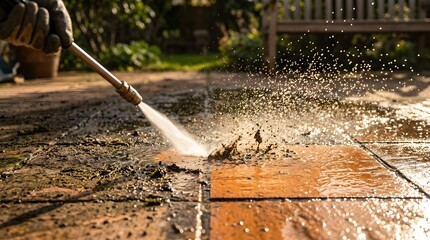
What Are Pressure Washing Services and Why Are They Important for Property Maintenance?

Pressure Washing Services

Imagine pulling into your driveway after a long day and noticing that your home no longer looks as bright and welcoming as it once did. Dirt has accumulated on the siding, stains have appeared on the driveway, and patches of mold and algae have started to spread across outdoor surfaces. These changes often happen gradually, making them easy to overlook until they become impossible to ignore.

Fortunately, Pressure Washing Services offer an effective solution for restoring the appearance of residential and commercial properties. More than just a cosmetic improvement, pressure washing plays an important role in preserving surfaces, improving safety, and protecting long-term property value. Understanding what pressure washing services are and why they matter can help property owners make informed decisions about exterior maintenance.

What Are Pressure Washing Services?

Pressure washing services involve the use of specialized equipment that sprays water at high pressure to remove dirt, grime, mold, mildew, algae, stains, and other contaminants from outdoor surfaces. The powerful stream of water penetrates surface buildup and washes away substances that ordinary cleaning methods often cannot remove effectively.

Pressure washing can be used on a wide variety of surfaces, including driveways, sidewalks, patios, decks, fences, exterior walls, parking lots, and building facades. Depending on the material being cleaned, technicians adjust the pressure level and cleaning techniques to achieve effective results without causing damage.

Professional pressure washing services often use commercial-grade equipment that delivers superior cleaning performance compared to standard consumer machines. In some situations, environmentally friendly cleaning solutions are also applied to break down stubborn contaminants before rinsing them away.

The goal of pressure washing is not only to improve appearance but also to help preserve the condition and longevity of exterior surfaces.

How Pressure Washing Improves Property Appearance

One of the most noticeable benefits of pressure washing services is the immediate improvement in curb appeal. Over time, outdoor surfaces accumulate dirt, dust, pollen, pollution, and organic growth that can make a property appear neglected.

Exterior walls often become discolored due to environmental exposure. Driveways and sidewalks develop stains from vehicles, foot traffic, and weather conditions. Decks and patios may lose their original appearance due to mildew, algae, and accumulated debris.

Pressure washing removes these unwanted substances and restores the surface to a cleaner, brighter condition. The transformation can be dramatic, often making a property look newer and more attractive.

For homeowners preparing to sell their property, pressure washing can enhance first impressions and increase buyer interest. Commercial property owners also benefit from maintaining a clean and professional appearance that reflects positively on their business.

A clean exterior creates a welcoming atmosphere and contributes to the overall appeal of the property.

Common Areas That Benefit from Pressure Washing

Pressure washing services can be applied to numerous areas throughout a property. Each surface presents unique cleaning challenges that can often be addressed effectively with professional equipment and techniques.

Driveways are among the most frequently cleaned surfaces. Oil stains, tire marks, dirt, and weather-related discoloration can accumulate over time. Pressure washing helps restore a cleaner and more uniform appearance.

Sidewalks and walkways experience constant foot traffic and environmental exposure. Regular cleaning removes stains, dirt, and slippery organic growth that may pose safety risks.

Patios and outdoor living areas also benefit from pressure washing. These spaces often accumulate debris, mildew, and surface stains that diminish their appearance and usability.

Building exteriors are another common focus. Siding, brick, stucco, and other materials can develop layers of grime that affect curb appeal. Pressure washing helps maintain a fresh and well-maintained appearance.

Fences, retaining walls, and outdoor recreational areas can also be cleaned to improve both aesthetics and longevity.

The Role of Pressure Washing in Preventive Maintenance

Pressure washing is often viewed as a cosmetic service, but it also plays a significant role in preventive maintenance. Exterior surfaces are constantly exposed to environmental conditions that can contribute to deterioration over time.

Mold, mildew, algae, and moss are more than visual concerns. These organic substances can retain moisture against surfaces, increasing the risk of damage. If left untreated, they may contribute to premature wear and deterioration.

Dirt and contaminants can also accumulate in cracks and porous materials, accelerating aging and reducing surface lifespan. Routine pressure washing removes these harmful substances before they cause significant problems.

Preventive maintenance helps property owners avoid costly repairs and replacement projects. By preserving the condition of surfaces, pressure washing can extend the life of materials such as concrete, wood, siding, and masonry.

Regular cleaning schedules often prove more economical than waiting until severe damage requires extensive restoration work.

Pressure Washing and Property Safety

Safety is another important benefit of pressure washing services. Outdoor surfaces that accumulate algae, mold, moss, and other organic growth can become slippery, particularly during wet conditions.

Walkways, patios, decks, and entryways are especially vulnerable to slip hazards caused by surface buildup. Pressure washing removes these contaminants and helps restore traction, reducing the likelihood of accidents.

Parking lots and commercial walkways also benefit from regular cleaning. Maintaining clean surfaces can improve pedestrian safety and create a more welcoming environment for visitors.

In addition to slip prevention, pressure washing can improve visibility by removing dirt and stains that obscure surface markings or create uneven appearances.

A cleaner property is often a safer property, making pressure washing a valuable component of overall maintenance planning.

Residential Pressure Washing Services

Residential pressure washing services are designed to help homeowners maintain the beauty and condition of their properties. These services address a wide range of exterior cleaning needs while helping preserve property value.

House washing is one of the most popular residential services. Exterior walls accumulate dirt, pollen, mildew, and environmental pollutants that can affect appearance and surface health. Professional cleaning restores freshness and enhances curb appeal.

Deck and patio cleaning helps homeowners maintain attractive outdoor living spaces. Pressure washing removes contaminants that can make these areas appear worn or neglected.

Fence cleaning is another common service. Whether constructed from wood, vinyl, or composite materials, fences benefit from periodic cleaning to remove dirt, algae, and discoloration.

Driveways and walkways often receive special attention because they are highly visible and heavily used. Clean surfaces contribute to a more polished and well-maintained appearance throughout the property.

Commercial Pressure Washing Services

Commercial properties require consistent maintenance to project a professional image and create positive experiences for customers, employees, and visitors. Pressure washing services play an important role in achieving these goals.

Storefronts, office buildings, warehouses, and retail centers often accumulate dirt and pollution that can negatively impact appearance. Routine cleaning helps maintain a professional presentation and supports brand image.

Parking lots and parking structures are exposed to heavy traffic and environmental contaminants. Pressure washing removes stains, debris, and buildup that can detract from the property’s appearance.

Restaurants, hospitality properties, and entertainment venues often use pressure washing to maintain cleanliness in outdoor seating areas, walkways, and entrances.

Commercial pressure washing services are often scheduled regularly to ensure that properties remain clean, safe, and inviting throughout the year.

Choosing Professional Pressure Washing Services

While pressure washing equipment is available for consumer use, professional services offer several advantages. Experienced technicians understand how to clean different materials safely and effectively.

Using excessive pressure can damage surfaces such as wood, siding, and decorative finishes. Professionals know how to adjust equipment settings to match the requirements of each surface.

Professional-grade equipment often provides more efficient and consistent results than standard residential machines. In addition, trained technicians can identify areas that require specialized treatment or alternative cleaning methods.

Many pressure washing providers also offer soft washing services for delicate surfaces. Soft washing uses lower pressure and specialized cleaning solutions to remove contaminants without risking damage.

Choosing qualified professionals helps ensure that cleaning is performed correctly while protecting the integrity of the property.

How Often Should Pressure Washing Be Performed?

The ideal frequency for pressure washing depends on several factors, including climate, environmental conditions, property type, and surface materials. Properties exposed to heavy traffic, moisture, or organic growth may require more frequent cleaning.

Many homeowners schedule pressure washing annually to maintain curb appeal and prevent excessive buildup. Commercial properties often require more frequent service due to higher visibility and heavier use.

Regular inspections can help determine when cleaning is needed. Visible dirt, discoloration, algae growth, and staining are common indicators that pressure washing may be beneficial.

Establishing a routine maintenance schedule helps keep surfaces in good condition and prevents contaminants from becoming deeply embedded over time.

Consistent care supports both appearance and long-term property preservation.

Final Thoughts

Pressure washing services are an essential part of exterior property maintenance. By removing dirt, stains, mold, mildew, algae, and other contaminants, pressure washing helps restore appearance, improve safety, and extend the lifespan of outdoor surfaces. Whether applied to residential homes, commercial buildings, driveways, patios, sidewalks, or parking lots, professional pressure washing provides benefits that go far beyond aesthetics. Regular cleaning supports preventive maintenance efforts, enhances curb appeal, and helps protect property investments for years to come. For property owners seeking an effective way to maintain a clean, attractive, and well-preserved exterior, pressure washing remains one of the most valuable maintenance services available.

What Are Custom Stairs and Railings and How Do They Enhance Your Space?

Custom Stairs and Railings

A staircase is more than just a way to move between levels. It is a central design feature that can define the look and feel of an entire space. When paired with thoughtfully designed railings, it becomes a statement piece that combines function with style. Custom Stairs and Railings offer the opportunity to create something unique that reflects your personal taste while improving safety and usability.

From modern floating stairs to classic designs with detailed railings, customization allows you to transform an ordinary structure into a standout architectural element.

What Are Custom Stairs and Railings

Custom stairs and railings are designed and built specifically to fit the layout, style, and needs of a space. Unlike pre made options, they are tailored to match the dimensions and design preferences of the property.

Custom stairs can vary in shape, size, and structure, while railings are crafted to complement the staircase and provide support. Together, they create a cohesive design that enhances both function and appearance.

These features are commonly used in residential homes, commercial buildings, and outdoor spaces where design and durability are important.

Types of Custom Stair Designs

Custom stairs come in many different styles depending on the layout and design goals. Straight staircases are simple and practical, often used in smaller spaces.

L shaped and U shaped stairs provide a more dynamic layout and are commonly used in larger homes or multi level spaces.

Spiral staircases offer a compact and visually striking option, making them ideal for areas with limited space.

Floating stairs create a modern and open look by minimizing visible supports, giving the illusion that the steps are suspended.

Each design can be customized to fit the specific needs and style of the space.

Materials Used for Custom Stairs and Railings

The choice of materials plays a major role in the final look and performance of custom stairs and railings. Wood is a popular option for its warmth and natural appearance.

Metal materials such as steel and wrought iron provide strength and a sleek, modern look. They are often used for railings and structural elements.

Glass can be incorporated into railings to create an open and contemporary feel while maintaining safety.

Concrete is commonly used for durability and is often seen in modern or industrial designs.

Combining different materials can create a unique and balanced design.

Design Options for Railings

Railings are an essential part of staircase design, providing both safety and visual appeal. Custom railings can be designed in a variety of styles to match the overall aesthetic.

Modern railings often feature clean lines and minimal details, creating a sleek and simple look.

Traditional railings may include decorative patterns and intricate details, adding elegance and character.

Glass railings offer a transparent design that enhances openness and light flow.

Cable railings provide a contemporary option with a streamlined appearance.

Choosing the right railing design helps complete the look of the staircase.

Benefits of Custom Stairs and Railings

Custom stairs and railings offer several advantages that make them a valuable addition to any space. One of the main benefits is personalization. You can create a design that fits your style and complements your home.

They also improve functionality by ensuring that the staircase fits the space perfectly. This can enhance comfort and usability.

Durability is another key benefit. High quality materials and craftsmanship result in long lasting structures.

Custom designs can also increase property value by adding a unique and attractive feature.

In addition, they provide enhanced safety by meeting specific design and building requirements.

The Custom Stair and Railing Process

The process begins with planning and design. This includes measuring the space and discussing design preferences.

A detailed plan is created to outline the structure, materials, and layout. This ensures that the design meets both aesthetic and functional goals.

Fabrication follows, where materials are prepared and components are built according to the design.

Installation is the next step, ensuring that the stairs and railings are securely placed and properly aligned.

A final inspection ensures that everything meets quality and safety standards.

Each step is important for achieving a successful result.

Cost Considerations

The cost of custom stairs and railings can vary depending on several factors. Material choice is one of the main considerations, as different materials have different price ranges.

Design complexity also affects cost. Simple designs are generally more affordable, while intricate or custom features may require more labor.

The size and layout of the staircase can influence pricing as well.

Installation requirements and additional features may also impact the overall cost.

Understanding these factors helps you plan your budget effectively.

Maintenance and Care

Proper maintenance helps keep custom stairs and railings in excellent condition. Regular cleaning removes dust and debris.

Wood surfaces may require occasional refinishing to maintain their appearance. Metal components may need protective coatings to prevent wear.

Inspecting the structure ensures that all parts remain secure and functional.

With proper care, custom stairs and railings can last for many years.

Final Thoughts

Custom stairs and railings offer a perfect blend of functionality and design. They transform a basic structural element into a visually striking feature that enhances the overall space.

By choosing the right materials, style, and design, you can create a staircase that reflects your personality and meets your needs. With durability, flexibility, and timeless appeal, custom stairs and railings remain a valuable investment.

In the end, a well designed staircase is more than just a pathway between levels. It is a centerpiece that defines the character of your home and elevates the entire architectural experience.

Roofers – The Unsung Heroes of the Construction Industry

Roofers Helena MT are the unsung heroes of the construction industry. They install, repair and maintain roofs of all types to keep us safe and dry inside. From residential homes to giant commercial buildings, roofers have a wide range of expertise in laying shingles, tiles, metal and more.

Roofers

They also must be comfortable working at heights and in a variety of weather conditions. Many roofers learn their trade through an apprenticeship program.

Roofers are skilled tradespeople who install and repair the roofs of buildings. They use a wide range of materials and tools to create and repair waterproof membranes on flat or sloped decks that may be constructed of wood, steel, or concrete. Most roofers gain their experience through on-the-job training and formal apprenticeship programs, typically lasting 2 to 3 years. The majority of roofers work on both residential and commercial projects, so they need to have experience across a variety of roofing types.

Working on a roof is challenging and physically demanding. Roofers often need to work on ladders or scaffolding, and they must carefully follow construction safety guidelines. They also need to work in various weather conditions, which can impact the quality of their work and increase the risk of accidents or injuries.

The primary job duties of a roofer are to inspect, prepare, and install the roofing system on new or existing buildings. They begin by taking detailed measurements and determining the amount of material needed for a project. They then lay down layers of roofing materials, starting with a vapor barrier and continuing with traditional or solar shingles or long-lasting metal. They may also install green roofing systems or specialized roof insulation. In addition to laying the actual roofing material, roofers must properly seal and air-seal the roof to prevent moisture leaks.

To assist roofers with their work, roofer helpers unload and load materials from trucks and ensure that enough materials are available to complete the project on time. They may also assist with setting up ladders, scaffolding, and hoists, and they remove old roofing materials from the site. They may also clean surfaces and roofs before and after application of the roofing materials.

Roofers need strong problem-solving skills to identify problems and make timely repairs. They also need excellent teamwork and communication skills, as they frequently work with a crew to install or repair the roof. They must be able to read blueprints, follow directions from supervisors, and coordinate with other construction professionals.

Because of the physically challenging nature of their jobs, many roofers develop skills that can transfer to other areas of the construction industry. For example, a roofer with construction safety expertise can transition to become a workplace health and safety officer.

Education and Training Requirements

Roofers don’t typically need a college degree to get started in the profession. Instead, they often train through an apprenticeship program, which combines paid on-the-job training with classroom instruction. Some unions and contractor associations sponsor these programs, which can help new roofers gain a foothold in the industry.

In addition to apprenticeship or on-the-job training, roofers also typically take part in formal safety and installation classes. These courses help them learn how to handle and install various roofing materials and shingles. They also teach them how to recognize and correct potential problems on a roof, like leaks and structural damage.

Regardless of their level of education and training, all roofers must possess certain physical qualifications. For example, they must be in good physical shape to lift heavy materials and work outdoors in all weather conditions. They also need to be comfortable working on and climbing on steep slopes at heights, as well as spending long periods of time on their feet.

Other important qualifications include excellent balance, attention to detail, and manual dexterity to perform their duties safely and efficiently. Strong problem-solving skills are essential for dealing with unexpected issues that may arise on a job site, and basic math skills are helpful when measuring and calculating roofing materials and measurements.

Because roofers are responsible for the quality of their work, they must be reliable and trustworthy. This means they must follow all local and state construction regulations, as well as maintain a valid license. In addition to these general requirements, some roofers choose to specialize in specific roofing materials or techniques. This can increase their earning potential and allow them to pursue opportunities in related industries, such as building inspection or estimating.

Roofers must stay up-to-date on new roofing materials, installation methods, and safety protocols to ensure they are providing their customers with the highest-quality service. Some even choose to pursue manufacturer accreditation, which shows their commitment to the industry and increases customer trust. Those who are dedicated to their craft and prioritize safety can enjoy a long career in the roofing industry with plenty of room for advancement.

Work Environment

Roofers must be comfortable working at heights and in a variety of weather conditions. They also need to adhere to strict safety procedures and wear protective gear while performing their duties. Roofers who work with shingles, for example, often have to stand on ladders or scaffolding while installing or repairing roofs. They need to ensure precise installation and accurate alignment of shingles, which requires exceptional attention to detail. Roofers also use customer service skills when communicating with clients, answering questions and addressing concerns.

Commercial roofers focus on major roofing jobs for buildings used by businesses and industries. These projects require specialized knowledge of different kinds of roofs and materials, including EPDM, PVC, TPO, and metal. Roofers also need to be familiar with the extra rules and regulations that apply to commercial roofing. Depending on the kind of project, roofers may need to collaborate with other construction specialists and contractors. Moreover, they need to adapt to the schedule of other tradespeople working on the same site. As such, roofers often have a high job satisfaction rating.

Job Outlook

In general, job opportunities for roofers are expected to be steady. New construction projects should provide some growth, but three-fourths of roofing work is repair or replacement. Roofs deteriorate faster than other parts of buildings and therefore need repair or replacement more frequently. Storm damage also creates demand for roofing services, especially in areas prone to severe weather.

Roofers may be able to find more work if they specialize in a particular type of roofing or if they have experience working on different types of structures. For example, roofers who have expertise installing green roofs or using energy-efficient materials can often earn higher salaries. Additionally, some roofers choose to transition into related careers like building inspection or estimating. These jobs offer more stability and a greater variety in day-to-day duties.

Considering the physical demands of the profession, it is important for roofers to be in good health. This is because the work involves heavy lifting and climbing, as well as exposure to extreme temperatures. In addition, roofers risk falls from ladders or scaffolding and burns from hot bitumen. However, following all safety precautions can reduce these risks.

In addition to requiring physical strength and endurance, the job requires attention to detail. As a result, it is important for roofers to keep up with training and qualifications, and many employers offer apprenticeship programs that can help students learn the skills they need.

Roofers can choose to work in a wide range of locations, from city skyscrapers to country houses. This dynamic work environment can be rewarding and interesting, but it also poses some challenges. In urban centers, there is usually a higher need for roofing services, while rural and sparsely populated regions may see less demand.

Regardless of the economy, there is always a need for skilled roofers. This is because roofing is a critical component of all construction, and it is vital to the long-term structural integrity of any building. As a result, the demand for skilled roofing professionals should remain stable, with slight fluctuations during seasonal dips and economic changes. Those who are interested in a career in roofing should seek out reputable Master Elite(r) contractors that offer quality craftsmanship and extensive industry experience.

Disaster Cleanup Services: Rebuilding Stability After the Unexpected

Disasters have a way of arriving without warning and leaving lasting consequences behind. Whether the cause is fire, flood, storm damage, biohazard exposure, or structural collapse, the aftermath can feel overwhelming for property owners. The physical destruction is often accompanied by emotional stress, operational disruption, and urgent safety concerns. Disaster cleanup is not merely about removing debris—it is a structured, strategic process designed to restore safety, functionality, and peace of mind. In moments when stability feels lost, professional Utah Disaster Cleanup services become the bridge between chaos and recovery.

disaster cleanup

Unlike routine cleaning or minor repairs, disaster cleanup addresses complex damage scenarios that affect multiple systems within a property. Water intrusion may compromise structural integrity, fire can leave behind smoke residue and hazardous soot, and storms can scatter debris while exposing interiors to the elements. Each disaster introduces unique contaminants and risks that require specialized training, equipment, and coordinated response. The focus of disaster cleanup is not only on visible damage but also on hidden hazards that could threaten long-term safety if left untreated.

One of the defining characteristics of professional disaster cleanup is rapid response. Time is a critical factor in mitigating secondary damage. After a flood, moisture can seep into subfloors and wall cavities within hours. After a fire, acidic soot residues can corrode metal and discolor surfaces if not promptly addressed. The longer debris and contaminants remain, the more costly and complex restoration becomes. Swift intervention helps contain damage, preserve salvageable materials, and reduce overall recovery time.

Safety is the cornerstone of any disaster cleanup operation. Damaged properties often contain unstable structures, exposed electrical systems, contaminated water, or airborne particles that pose serious health risks. Before cleanup begins, trained professionals assess the site to identify immediate hazards. Protective equipment, containment barriers, and specialized tools are used to secure the area and protect both occupants and workers. This systematic approach ensures that restoration efforts do not inadvertently create additional risks.

Disaster cleanup typically unfolds in carefully structured phases. While the specifics vary depending on the type of incident, the general process follows a logical progression designed to stabilize and restore the property efficiently. These phases include:

  1. Emergency Stabilization – Securing the site, stopping ongoing damage, and addressing immediate safety threats.
  2. Damage Assessment – Evaluating structural, mechanical, and environmental impact to create a restoration plan.
  3. Debris Removal and Cleanup – Clearing damaged materials, contaminants, and hazards.
  4. Drying, Decontamination, or Odor Removal – Treating affected areas to eliminate moisture, smoke, or bacteria.
  5. Restoration and Reconstruction – Repairing and rebuilding to return the property to functional condition.

Each step builds upon the previous one, creating a coordinated path toward recovery.

The emotional dimension of disaster cleanup is often underestimated. Property damage can disrupt daily routines, displace families, and interrupt business operations. Beyond structural repairs, the cleanup process helps restore a sense of normalcy. Clearing debris, removing lingering odors, and rebuilding damaged spaces provide tangible progress that supports psychological recovery. Professional cleanup teams understand the sensitivity of these situations and approach projects with empathy and clear communication.

Different types of disasters require tailored approaches. Water-related incidents demand rapid extraction and dehumidification to prevent mold growth. Fire damage requires soot removal, smoke odor neutralization, and air purification. Storm damage may involve structural reinforcement, debris clearing, and moisture control. Biohazard situations necessitate strict sanitation protocols and specialized disposal procedures. The versatility of disaster cleanup services lies in their ability to adapt to diverse scenarios while maintaining consistent safety standards.

One of the most critical elements of effective disaster cleanup is thorough documentation. Detailed records of damage, remediation steps, and materials removed are essential for insurance claims and compliance purposes. Accurate documentation supports transparency and ensures that all affected areas are addressed. This administrative aspect of cleanup, though less visible, plays a significant role in facilitating financial recovery and reducing disputes during the claims process.

Air quality restoration is another key focus. Disasters often release particulates and contaminants into the indoor environment. Smoke particles, mold spores, and dust from structural damage can linger long after visible debris is cleared. Advanced air filtration systems and specialized cleaning techniques remove these airborne pollutants, improving indoor air quality and reducing respiratory risks. Clean air is fundamental to safe reoccupancy and long-term comfort.

Disaster cleanup also emphasizes moisture control as a preventative measure. Even in cases where flooding is not the primary cause, water may be introduced through firefighting efforts or storm infiltration. Moisture trapped within walls or flooring can lead to structural decay and microbial growth. Industrial drying equipment, moisture meters, and continuous monitoring ensure that all materials reach safe moisture levels before reconstruction begins. This proactive approach reduces the risk of future complications.

In addition to physical restoration, disaster cleanup professionals often provide guidance on preventive strategies. Strengthening drainage systems, upgrading insulation, installing moisture barriers, or improving ventilation can enhance property resilience. While no structure is immune to unexpected events, preventive upgrades reduce vulnerability and mitigate the impact of future incidents.

Business continuity is a significant concern in commercial disaster scenarios. Extended closures can result in lost revenue and strained client relationships. Professional cleanup services prioritize efficiency while maintaining quality standards, enabling businesses to resume operations as quickly as possible. Temporary containment solutions and phased restoration plans may allow portions of a facility to remain operational during cleanup, minimizing disruption.

There are several overarching benefits of professional disaster cleanup services that extend beyond immediate repairs:

  1. Risk Mitigation – Identifying and eliminating hidden hazards that could cause long-term damage.
  2. Health Protection – Removing contaminants and improving air quality for safe occupancy.
  3. Cost Control – Preventing secondary damage that increases restoration expenses.
  4. Operational Efficiency – Streamlining the recovery process to reduce downtime.
  5. Peace of Mind – Providing structured guidance during a stressful situation.

These benefits underscore the comprehensive value of professional intervention.

Technology continues to enhance disaster cleanup capabilities. Thermal imaging cameras detect hidden moisture behind walls, while high-efficiency particulate air filtration systems capture microscopic contaminants. Advanced drying systems accelerate evaporation without damaging materials. These tools allow for precision in restoration efforts, ensuring thorough results while minimizing unnecessary demolition.

Environmental responsibility is also becoming a growing consideration in disaster cleanup. Responsible disposal of debris, recycling salvageable materials, and using environmentally conscious cleaning agents contribute to sustainable recovery practices. While the primary goal is restoration, mindful waste management supports broader environmental goals and reduces landfill impact.

Communication remains central throughout the cleanup process. Clear updates regarding timelines, procedures, and expectations help property owners stay informed and prepared. Transparent collaboration fosters trust and reduces uncertainty. When individuals understand each stage of recovery, they can make informed decisions about repairs, upgrades, and preventative measures.

The timeline for disaster cleanup varies depending on the severity of damage. Minor incidents may be resolved within days, while extensive structural repairs can take weeks or months. The key to efficiency lies in early intervention and coordinated planning. Delays often compound damage and increase costs, making prompt professional response a crucial investment.

Ultimately, disaster cleanup is about more than restoring walls and floors—it is about rebuilding stability. The process transforms damaged spaces into safe, functional environments once again. Through systematic assessment, debris removal, decontamination, and reconstruction, cleanup professionals guide properties through the journey from disruption to renewal.

In conclusion, disaster cleanup services provide a structured and strategic pathway to recovery after unexpected events. By prioritizing safety, rapid response, and comprehensive restoration, these services protect health, preserve structural integrity, and minimize financial impact. From emergency stabilization to long-term preventive measures, every phase of the cleanup process plays a vital role in restoring confidence and comfort. When disaster strikes, professional cleanup is not simply a service—it is a lifeline that supports resilience, recovery, and a return to normalcy.