Unlock Business Efficiency with Expert Automation Consultant Services

In today’s fast-paced business environment, organizations are constantly seeking ways to enhance productivity, reduce operational costs, and improve overall efficiency. Many companies struggle with repetitive tasks, complex processes, and inefficient workflows that drain resources and limit growth potential. This is where Automation Consultant services come into play, providing specialized expertise to help businesses implement automation solutions that streamline operations, optimize workflows, and support digital transformation initiatives.

automation consultant

Automation consulting is more than just implementing software; it involves a strategic assessment of business processes to identify areas where technology can deliver the greatest impact. Automation consultants work closely with organizations to analyze existing workflows, recommend suitable automation tools, and design scalable solutions tailored to each company’s unique needs. By leveraging these services, businesses can achieve operational efficiency, reduce human error, and focus their workforce on high-value tasks that drive growth.

The Role of an Automation Consultant

An automation consultant is a specialist who helps organizations identify inefficiencies, design automated workflows, and implement technology solutions that enhance productivity. Their role involves a comprehensive evaluation of current business processes to pinpoint bottlenecks, redundancies, and areas prone to error. Once these areas are identified, the consultant proposes automation strategies, selects appropriate tools, and oversees the implementation process.

Consultants not only provide technical guidance but also ensure that employees are trained to adapt to automated workflows. They monitor results, optimize processes, and provide insights for continuous improvement. By combining expertise in technology with business process knowledge, automation consultants help organizations maximize the return on investment from their automation initiatives.

Why Automation Consultant Services Are Essential

Businesses that delay or avoid automation risk falling behind competitors who leverage technology to improve speed, accuracy, and efficiency. Manual processes can be time-consuming, prone to mistakes, and challenging to scale. Automation consultant services address these challenges by providing a structured approach to adopting automation, ensuring that solutions are aligned with organizational goals and deliver measurable results.

Some of the primary benefits of working with an automation consultant include:

  1. Enhanced Productivity: Automation consultants identify repetitive tasks that can be streamlined, allowing employees to focus on strategic initiatives.
  2. Reduced Operational Costs: By eliminating manual work and optimizing processes, businesses can achieve significant cost savings.
  3. Improved Accuracy: Automated workflows reduce the likelihood of human error in critical processes, improving overall quality and compliance.
  4. Scalability: Automation solutions allow businesses to scale operations efficiently without increasing headcount proportionally.
  5. Faster Decision-Making: With real-time insights and automated reporting, managers can make informed decisions quickly, improving responsiveness and agility.

These benefits illustrate why automation consulting is a strategic investment for organizations seeking sustainable growth and operational excellence.

The Process of Automation Consulting

Automation consultant services typically follow a structured methodology to ensure the successful implementation of solutions. The process generally includes the following steps:

  1. Business Process Assessment: Consultants start by analyzing current workflows, systems, and processes to identify inefficiencies, repetitive tasks, and areas with high error rates.
  2. Automation Strategy Development: Based on the assessment, the consultant designs a tailored automation plan, selecting tools and technologies that align with the business objectives.
  3. Implementation and Integration: The selected automation solutions are implemented, integrated with existing systems, and configured to execute processes according to predefined rules.
  4. Testing and Validation: Automated workflows are tested rigorously to ensure accuracy, reliability, and performance before full deployment.
  5. Training and Support: Employees receive guidance and training to effectively use automated systems, and ongoing support is provided to address any issues or updates.

Following this methodology ensures that automation initiatives are executed efficiently, deliver measurable results, and support long-term operational improvements.

Applications of Automation Consultant Services

Automation consulting can be applied across a wide range of business functions to improve efficiency and streamline operations. Some common areas where automation consultants add value include:

  1. Finance and Accounting: Automating invoicing, payroll processing, expense approvals, and financial reporting reduces errors and accelerates workflow.
  2. Human Resources: Employee onboarding, leave requests, performance evaluations, and benefits administration can be automated to enhance productivity and employee satisfaction.
  3. Sales and Marketing: Automation consultants implement solutions for lead management, CRM updates, email campaigns, and follow-ups, improving customer engagement and sales conversion.
  4. Customer Service: Automated ticket routing, response notifications, and support tracking ensure faster resolution times and a better customer experience.
  5. Supply Chain and Operations: Inventory tracking, order processing, and logistics workflows can be optimized to reduce delays, minimize errors, and improve efficiency.

By applying automation across multiple departments, organizations can achieve significant improvements in consistency, speed, and operational reliability.

Key Technologies in Automation Consulting

Automation consultants leverage a range of technologies to design and implement effective solutions. Some of the most widely used tools and platforms include:

  • Robotic Process Automation (RPA): Software robots execute repetitive tasks such as data entry, form submissions, and report generation.
  • Business Process Management (BPM) Systems: Platforms that manage, monitor, and optimize business workflows end-to-end.
  • Artificial Intelligence (AI) and Machine Learning: These technologies enable intelligent automation, allowing systems to make decisions based on patterns and historical data.
  • Cloud-Based Automation Platforms: Enable remote access, scalability, and collaboration without significant infrastructure costs.
  • Analytics and Reporting Tools: Provide real-time insights into workflow performance, efficiency, and areas for improvement.

By combining these technologies with strategic consulting, businesses can implement automation solutions that are efficient, scalable, and adaptable to future needs.

Challenges and Solutions in Automation Consulting

Despite the clear benefits, organizations may face challenges when implementing automation, such as resistance to change, integration with legacy systems, and process complexity. Automation consultants address these challenges by:

  1. Conducting comprehensive assessments to understand current workflows and system dependencies.
  2. Designing tailored automation solutions that integrate seamlessly with existing platforms.
  3. Providing employee training to ensure smooth adoption and minimize resistance.
  4. Continuously monitoring workflows and optimizing processes based on real-time analytics.

This proactive approach ensures that automation initiatives achieve their intended results while minimizing disruption to daily operations.

Long-Term Impact of Automation Consultant Services

The long-term value of automation consultant services extends beyond immediate efficiency gains. Automated processes enable organizations to scale operations without significantly increasing headcount, reduce operational risk, and enhance overall business agility. Employees are freed from repetitive tasks, allowing them to focus on strategic, creative, and value-driven activities that contribute to business growth.

Furthermore, automation consultants provide the foundation for continuous improvement. By implementing solutions that can adapt to evolving business needs, organizations remain competitive in dynamic markets. Automation also fosters a culture of efficiency and innovation, positioning companies for long-term success.

In an era where efficiency and speed are critical to business success, automation consultant services have become essential. By analyzing workflows, identifying inefficiencies, and implementing tailored automation solutions, these services help organizations streamline operations, reduce costs, and improve productivity.

From finance and HR to sales, marketing, customer service, and operations, automation consultants enable businesses to optimize processes across all departments. Their expertise ensures seamless integration of tools, effective employee training, and ongoing support, delivering measurable results and long-term operational benefits.

Partnering with an automation consultant is more than just adopting technology—it is a strategic decision that supports growth, enhances performance, and prepares organizations for a competitive future. Businesses that embrace automation consulting gain a clear advantage, transforming workflows, empowering employees, and achieving sustainable success in an increasingly digital world.

Navigating the Future of Local SEO Services for Modern Visibility

Local visibility defines how businesses grow today. It determines who gets discovered and who remains unseen. Local SEO services have transformed from simple listings to complex digital ecosystems. They now integrate intelligence, trust, and behavioral signals that reshape how communities connect online.

SEO

The evolution of search engines has pushed local optimization beyond maps and reviews. Algorithms now focus on hyper-contextual relevance rather than broad authority. This means search results favor those who demonstrate genuine local engagement. Modern local SEO revolves around connection, not just content.

Personalization lies at the heart of this transformation. Each search reflects intent shaped by culture, timing, and user experience. Local SEO services now tailor their strategies to understand this dynamic intent. Instead of chasing keywords, they pursue meaning within the digital environment.

Mobile behavior also redefined how local presence works. People no longer search randomly—they search with urgency. Proximity signals, voice commands, and instant needs drive local discovery. Businesses must ensure that their visibility adapts seamlessly to spontaneous decision-making.

Local optimization now merges data interpretation with emotional intelligence. Analytics no longer serve only as performance trackers but as predictive tools. They forecast when and where audiences are most likely to engage. These patterns allow local SEO strategies to evolve in real time.

Trust-building has also become a dominant factor in local visibility. Search engines now reward consistent brand behavior and authentic feedback. Local SEO services focus on transparency as a ranking mechanism. Reliability and responsiveness form the new currency of credibility.

Voice search further transforms how local intent is expressed. Spoken queries are conversational, emotional, and immediate. Optimization strategies now mimic natural human communication patterns. Understanding the rhythm of voice has become a silent pillar of local dominance.

The rise of micro-communities reshapes how local authority develops. People no longer rely solely on top-ranked results. They value the insights shared within niche digital circles. Local SEO adapts by aligning with micro-influencers and community-driven narratives.

User experience design now plays a major role in local search optimization. Accessibility, speed, and interaction define success more than sheer visibility. A clean, intuitive interface ensures retention after discovery. Local SEO experts now collaborate closely with web designers to sustain engagement.

AI integration has made precision the new competitive edge. Predictive algorithms can identify shifts in local interests before they trend. Businesses using local SEO services can thus anticipate rather than react. Machine learning refines every layer of visibility from search intent to conversion.

Reputation management has also evolved from simple review handling. Local SEO now includes proactive storytelling and emotional connection. Businesses humanize their digital presence to cultivate loyalty. The focus moves from transaction to relationship.

Geo-personalization technology continues to change how results appear. Instead of generic listings, search engines display context-based outcomes. This evolution empowers businesses to appeal to smaller but more committed audiences. Hyperlocal engagement now defines competitive advantage.

Sustainability and social value also influence search behavior. People prefer businesses aligned with ethical and environmental awareness. Local SEO integrates storytelling that reflects shared values. This emotional alignment transforms visibility into purpose-driven discovery.

Interactive content plays a growing role in local optimization. Engagement through polls, micro-videos, or community discussions drives retention. Search engines recognize these activities as signs of relevance. Local SEO services now prioritize participation as a ranking metric.

Another rising trend is predictive location marketing. Instead of targeting users after intent, algorithms predict it beforehand. Businesses can appear precisely when the need emerges. This anticipatory visibility transforms local SEO into a proactive strategy.

Augmented reality introduces immersive local experiences. People can now visualize products or services within their surroundings. Local SEO integrates AR tags and real-world mapping to increase discovery. This connection between physical and digital spaces enhances consumer trust.

Content diversity has also become vital to sustaining engagement. Static blogs and listings no longer suffice for local ranking. Dynamic storytelling through video, imagery, and interactive feedback ensures adaptability. Local SEO services curate multi-format experiences tailored to intent.

Authenticity remains the invisible foundation of successful optimization. Search engines evolve, but users still crave truth. Businesses that project honesty and empathy earn long-term visibility. Local SEO strategies must therefore prioritize voice, tone, and transparency.

Behavioral tracking deepens insights into how audiences decide. Heatmaps, dwell time, and interaction flow reveal patterns of local engagement. These metrics redefine what “visibility” truly means. It is no longer about being found, but about being remembered.

Algorithmic bias is another silent challenge emerging in local SEO. Overreliance on automation can amplify exclusionary visibility. Services now focus on ethical optimization to maintain fairness. Inclusivity becomes both a moral and strategic priority.

Real-time adaptation defines the future of local SEO strategies. Trends change faster than campaigns can traditionally adjust. Automation bridges this gap by executing responsive micro-updates. Dynamic calibration ensures constant alignment with audience behavior.

Data privacy regulations reshape how location-based marketing operates. Transparency becomes not just compliance but an advantage. Businesses that communicate openly about data usage foster deeper trust. Local SEO integrates ethical data practices as part of its core identity.

Community storytelling enhances visibility through emotional depth. Genuine experiences shared by real people amplify engagement. Local SEO experts leverage these stories to boost relevance. Human connection becomes the algorithm’s favorite signal.

Cultural fluency also strengthens local optimization efforts. Understanding regional tone and communication styles refines targeting accuracy. It ensures that messaging resonates authentically rather than appearing generic. This localization of emotion sets leaders apart from competitors.

Automation simplifies repetitive SEO tasks without erasing creativity. Systems handle technical optimization while humans craft emotional resonance. This hybrid model defines modern local SEO workflows. Balance ensures both precision and personality.

Visual search introduces a new layer of discoverability. People increasingly use images rather than words to find what they need. Local SEO adapts by optimizing visuals with contextual metadata. Search visibility now includes color, form, and environment recognition.

Offline signals continue to influence online rankings. Physical engagement—check-ins, visits, or local participation—enhances authority. Local SEO connects digital visibility with tangible presence. The line between real and virtual interaction fades.

Collaborative visibility between nearby businesses fosters organic growth. When digital ecosystems cross-promote within proximity, rankings rise. Local SEO services now encourage synergy rather than rivalry. Connection replaces competition as the pathway to discovery.

The emergence of decentralized web technology will further transform local SEO. Blockchain-based validation may authenticate reviews and location data. This ensures transparency in reputation systems. Local SEO must adapt to a trustless, verifiable environment.

Predictive user interfaces could become the next major evolution. They will adjust layouts and content dynamically based on search patterns. Local SEO strategies will integrate behavioral anticipation into design. The result will be personalized discovery journeys for every user.

As digital spaces become saturated, local differentiation becomes more crucial. Standing out means being human amid automation. Local SEO services help maintain this humanity while enhancing performance. True optimization lies in aligning digital systems with emotional intelligence.

Hybrid customer journeys blur physical and online interactions. A single purchase may begin with a search, continue through chat, and end in-store. Local SEO ensures continuity across all these touchpoints. Consistency nurtures confidence in every phase.

Future algorithms will favor experiential metrics over technical precision. They will measure joy, trust, and emotional relevance through advanced analytics. Local SEO services must interpret these emotional metrics with empathy. The science of search will merge with the art of feeling.

Local SEO has matured into a holistic discipline of presence. It no longer revolves around mechanical ranking but around meaning. Visibility now requires purpose, adaptability, and connection. The future belongs to those who merge humanity with technology.

In the coming years, local SEO will act less as a service and more as an ecosystem. It will connect people, ideas, and trust in real-time digital spaces. The focus will be on fostering authentic discovery rather than manipulation. This evolution marks the dawn of a more human-centered digital visibility.

True success in local SEO rests in understanding that location is not merely physical. It is emotional, behavioral, and experiential. Every search reflects a human need waiting for resonance. The businesses that recognize this will shape the next chapter of local discovery.

Roofers – The Unsung Heroes of the Construction Industry

Roofers Helena MT are the unsung heroes of the construction industry. They install, repair and maintain roofs of all types to keep us safe and dry inside. From residential homes to giant commercial buildings, roofers have a wide range of expertise in laying shingles, tiles, metal and more.

Roofers

They also must be comfortable working at heights and in a variety of weather conditions. Many roofers learn their trade through an apprenticeship program.

Roofers are skilled tradespeople who install and repair the roofs of buildings. They use a wide range of materials and tools to create and repair waterproof membranes on flat or sloped decks that may be constructed of wood, steel, or concrete. Most roofers gain their experience through on-the-job training and formal apprenticeship programs, typically lasting 2 to 3 years. The majority of roofers work on both residential and commercial projects, so they need to have experience across a variety of roofing types.

Working on a roof is challenging and physically demanding. Roofers often need to work on ladders or scaffolding, and they must carefully follow construction safety guidelines. They also need to work in various weather conditions, which can impact the quality of their work and increase the risk of accidents or injuries.

The primary job duties of a roofer are to inspect, prepare, and install the roofing system on new or existing buildings. They begin by taking detailed measurements and determining the amount of material needed for a project. They then lay down layers of roofing materials, starting with a vapor barrier and continuing with traditional or solar shingles or long-lasting metal. They may also install green roofing systems or specialized roof insulation. In addition to laying the actual roofing material, roofers must properly seal and air-seal the roof to prevent moisture leaks.

To assist roofers with their work, roofer helpers unload and load materials from trucks and ensure that enough materials are available to complete the project on time. They may also assist with setting up ladders, scaffolding, and hoists, and they remove old roofing materials from the site. They may also clean surfaces and roofs before and after application of the roofing materials.

Roofers need strong problem-solving skills to identify problems and make timely repairs. They also need excellent teamwork and communication skills, as they frequently work with a crew to install or repair the roof. They must be able to read blueprints, follow directions from supervisors, and coordinate with other construction professionals.

Because of the physically challenging nature of their jobs, many roofers develop skills that can transfer to other areas of the construction industry. For example, a roofer with construction safety expertise can transition to become a workplace health and safety officer.

Education and Training Requirements

Roofers don’t typically need a college degree to get started in the profession. Instead, they often train through an apprenticeship program, which combines paid on-the-job training with classroom instruction. Some unions and contractor associations sponsor these programs, which can help new roofers gain a foothold in the industry.

In addition to apprenticeship or on-the-job training, roofers also typically take part in formal safety and installation classes. These courses help them learn how to handle and install various roofing materials and shingles. They also teach them how to recognize and correct potential problems on a roof, like leaks and structural damage.

Regardless of their level of education and training, all roofers must possess certain physical qualifications. For example, they must be in good physical shape to lift heavy materials and work outdoors in all weather conditions. They also need to be comfortable working on and climbing on steep slopes at heights, as well as spending long periods of time on their feet.

Other important qualifications include excellent balance, attention to detail, and manual dexterity to perform their duties safely and efficiently. Strong problem-solving skills are essential for dealing with unexpected issues that may arise on a job site, and basic math skills are helpful when measuring and calculating roofing materials and measurements.

Because roofers are responsible for the quality of their work, they must be reliable and trustworthy. This means they must follow all local and state construction regulations, as well as maintain a valid license. In addition to these general requirements, some roofers choose to specialize in specific roofing materials or techniques. This can increase their earning potential and allow them to pursue opportunities in related industries, such as building inspection or estimating.

Roofers must stay up-to-date on new roofing materials, installation methods, and safety protocols to ensure they are providing their customers with the highest-quality service. Some even choose to pursue manufacturer accreditation, which shows their commitment to the industry and increases customer trust. Those who are dedicated to their craft and prioritize safety can enjoy a long career in the roofing industry with plenty of room for advancement.

Work Environment

Roofers must be comfortable working at heights and in a variety of weather conditions. They also need to adhere to strict safety procedures and wear protective gear while performing their duties. Roofers who work with shingles, for example, often have to stand on ladders or scaffolding while installing or repairing roofs. They need to ensure precise installation and accurate alignment of shingles, which requires exceptional attention to detail. Roofers also use customer service skills when communicating with clients, answering questions and addressing concerns.

Commercial roofers focus on major roofing jobs for buildings used by businesses and industries. These projects require specialized knowledge of different kinds of roofs and materials, including EPDM, PVC, TPO, and metal. Roofers also need to be familiar with the extra rules and regulations that apply to commercial roofing. Depending on the kind of project, roofers may need to collaborate with other construction specialists and contractors. Moreover, they need to adapt to the schedule of other tradespeople working on the same site. As such, roofers often have a high job satisfaction rating.

Job Outlook

In general, job opportunities for roofers are expected to be steady. New construction projects should provide some growth, but three-fourths of roofing work is repair or replacement. Roofs deteriorate faster than other parts of buildings and therefore need repair or replacement more frequently. Storm damage also creates demand for roofing services, especially in areas prone to severe weather.

Roofers may be able to find more work if they specialize in a particular type of roofing or if they have experience working on different types of structures. For example, roofers who have expertise installing green roofs or using energy-efficient materials can often earn higher salaries. Additionally, some roofers choose to transition into related careers like building inspection or estimating. These jobs offer more stability and a greater variety in day-to-day duties.

Considering the physical demands of the profession, it is important for roofers to be in good health. This is because the work involves heavy lifting and climbing, as well as exposure to extreme temperatures. In addition, roofers risk falls from ladders or scaffolding and burns from hot bitumen. However, following all safety precautions can reduce these risks.

In addition to requiring physical strength and endurance, the job requires attention to detail. As a result, it is important for roofers to keep up with training and qualifications, and many employers offer apprenticeship programs that can help students learn the skills they need.

Roofers can choose to work in a wide range of locations, from city skyscrapers to country houses. This dynamic work environment can be rewarding and interesting, but it also poses some challenges. In urban centers, there is usually a higher need for roofing services, while rural and sparsely populated regions may see less demand.

Regardless of the economy, there is always a need for skilled roofers. This is because roofing is a critical component of all construction, and it is vital to the long-term structural integrity of any building. As a result, the demand for skilled roofing professionals should remain stable, with slight fluctuations during seasonal dips and economic changes. Those who are interested in a career in roofing should seek out reputable Master Elite(r) contractors that offer quality craftsmanship and extensive industry experience.

Hydro Jetting Sewer Line

Whether you’re a homeowner tired of repeat drain clogs, a business owner maintaining health-code compliance, or a property professional protecting an aging infrastructure, hydro jetting for sewer line is the answer.

Sewer Line

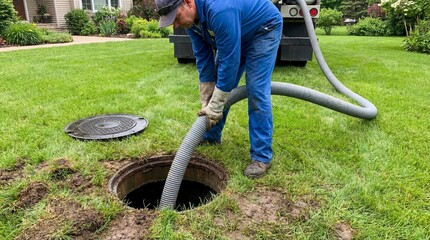
Hydro jetting involves inserting a nozzle into an access port, usually located in the plumbing cleanout or near the clogged pipe. The high-pressure water blasts away grease, mineral deposits, soap scum, and tree roots.

Most property owners experience slow or clogged drains and sewer lines at some point. Materials such as hair, soap scum, grease and mineral buildup accumulate over time, leading to slow or clogged pipes. While traditional methods such as snakes and chemical cleaners can offer temporary relief, hydro jetting is an effective and long-term solution.

The high-pressure water stream can dislodge and remove even the toughest clogs, while also cleaning away the debris and residue that leads to future blockages. This powerful but environmentally conscious method can also help save money by preventing costly emergency repairs in the future.

Unlike snakes and augers, which are limited in their reach, a professional-grade residential hydro-jetting system can penetrate deep into the pipes to clear stubborn clogs and other issues. The power of the water is enough to break up and wash away tree roots that have infiltrated the sewer line, as well as flush out accumulated sediment and scale.

While the initial cost of hydro jetting may be more than other options, it’s an investment that pays off over time. Regularly scheduled hydro jetting can extend the life of your pipes and reduce the risk of severe clogs and costly pipe damage in the future.

Clogged and blocked pipes are a common plumbing issue that can cause significant damage to your home or business. Depending on the size and location of the clog, these issues can lead to expensive and disruptive emergency repairs.

In addition to preventing costly emergencies, regularly scheduled hydro jetting can help lower your utility bills. Clogged or blocked lines force appliances like washing machines and dishwashers to work harder to push water through, which can lead to increased energy consumption.

With the help of a professional, you can set up a maintenance schedule that addresses minor clogs as soon as they appear. Taking preventative measures, like addressing minor clogs promptly, can significantly cut your utility costs and save you from costly emergency repair services in the future. Contact Champion Industrial for more information about the many benefits of residential and commercial hydro jetting.

Environmentally Friendly

Clogged sewer lines cause major problems, like waste backups and even sewage spills in homes. These foul smells aren’t just a nuisance; they can lead to major health issues and structural damage for homeowners. Hydro jetting can eliminate those odifers, and keep your pipes clear to prevent future blockages from occurring.

Traditional methods like drain snakes or chemical cleaners can dislodge a clog, but they don’t address the underlying issue of mineral buildup or grease accumulation. With hydro jetting, your plumber can scour away any buildup to keep your sewer line clean and functioning properly.

Hydro jetting is also environmentally friendly because it uses water to clean your pipes, rather than harsh chemicals. Those chemicals can seep into groundwater or flow into nearby bodies of water, causing harm to aquatic life and potentially contaminating drinking water. Hydro jetting safely removes all traces of fat, paper products, so-called “flushable” wipes and other debris to fully clean and flush your pipes.

Another way that hydro jetting is environmentally friendly is by allowing your plumber to work without digging into your property. Unlike trenching and excavation, hydro jetting uses flexible hoses that fit into pre-existing access points in your home sewer lines to reach the source of the clog. That allows your plumber to quickly and effectively clear your pipes without disturbing your lawn or driveway.

When your plumber hydro jetting your home sewer line, they use a high-pressure nozzle to cut through the clog. The forward-facing jets break up and wash away the toughest debris, while the rear-facing jets scour away any accumulated grease or sludge. The nozzle can be adjusted to focus more power on areas with more severe obstructions, such as a root invasion or a hard-packed grease clog.

Hydro jetting is also compatible with most pipe materials, including plastics like PVC and CVPC and metals like copper and steel. It can even work on older cast iron and clay pipes. Having your home sewer laterals hydro jetted regularly can help prevent blockages that can wreak havoc on your plumbing system and your wallet.

Quick

When your home’s plumbing is backed up, you need to find a fast way to clear the blockage. That’s why hydro jetting is the ideal drain-clearing method to use in these situations. The pressurized water can blast through any obstruction and clear it away without damaging the pipes, unlike other methods such as plumber’s snakes or drain augers.

The high-pressure water also helps prevent future clogs, by flushing out grime that lines the pipes. The intense water pressure can break up and dissolve even the toughest materials like hard mineral scale, clogged hair, and tree roots. In addition, the water can dislodge and remove grease rings that can lead to clogged drains and sewer backups.

Signs that your sewer line is in need of hydro jetting include a bad odor coming from your drains or toilets, slow-emptying drains, and frequent clogs or backups. Often, these signs are an indication of a much larger problem that requires immediate attention.

A plumber who specializes in hydro jetting can inspect your home’s pipes and sewer line using video inspection equipment to determine the severity of the clog and locate its source. They can then decide whether or not to proceed with hydro jetting. If they decide to use it, they will insert the nozzle into the access point of your sewer pipe (also known as a cleanout), and release the high-pressure water.

There are several types of nozzles that can be used, depending on the type of blockage you’re dealing with. For example, penetrating tips are often used to cut through clogged roots. Forward-facing nozzles can be used to dislodge clogged grease and waste that accumulates in commercial kitchens and food service areas. Likewise, chisel nozzles can be used to break up and dislodge compacted debris like ice and hardened buildup.

Another great advantage of hydro jetting is that it doesn’t require chemicals, which can damage your pipes and cause environmental hazards. The only downside is that it can be expensive to have this process done by a professional plumber. But it’s well worth the investment in the long run, considering that the high-pressure water can be very effective at clearing clogs and preventing them from returning.

Safe

Hydro jetting is safe for your pipes, but it’s important that a professional plumber perform this service. This equipment is much more powerful than your garden variety pressure washer and can damage the pipes if not handled properly. The plumbing professional will use a sewer camera to check the condition of the pipes and determine whether or not they can withstand the high-pressure water jet. Once they have determined this, the plumber will insert a specialized nozzle that delivers a single jet of water straight through the pipe. This blast of water cuts through tree roots, flushes clogs and breaks up grease accumulation.

The specialized nozzle also releases multiple rear-facing jets of water that scrub the inside of the pipes and dissolve sludge and other debris. This complete clean of the pipe walls helps to prevent future blockages and maintain a healthy line.

This method is particularly useful for residential and commercial properties with older pipes that are more likely to develop mineral buildup, hair mats or clogs. It’s also an effective solution for businesses that are experiencing repeated drain problems that basic tools like snaking cannot resolve. Frequent clogs, slow-emptying sinks and toilets and foul sewer odors are all signs that the lines need a deep cleaning from a plumbing professional.

Unlike chemical drain cleaners that can release volatile organic compounds or contribute to wastewater pollution, hydro jetting uses only potable water to clean the pipes. This zero-chemical approach is environmentally sustainable, helps to protect the health of the people using the drains and ensures that no residual toxicity is left behind in the line. It is also a great choice for industrial locations that require a clean and hygienic drainage system. The high-pressure water jets also make the procedure quick and less invasive than traditional sewer line excavation methods. The plumbing professional can quickly clear and flush the lines without requiring any digging or trenching, which means that there is less disruption to the property and fewer safety concerns for workers. The high-pressure water can even penetrate through broken or deteriorated lines, removing clogs and restoring proper flow.

How to Optimize Home Improvement Advertising

Home Improvement Advertising can be a great way to grow your business and reach new customers. However, it is important to know how to optimize your campaign and maximize its impact.

Home Improvement advertising

One of the most effective strategies is to focus on the benefits your services offer homeowners. By doing so, you’ll see more engaged leads and a higher conversion rate.

In addition to being eye-catching, your home improvement advertising must convey a clear and compelling message. To accomplish this, it’s important to understand your audience and their needs. The first step is to identify the specific challenges and goals that motivate your target market to take action. For example, if you’re targeting homeowners who are interested in expanding their living space, your ad should emphasize the benefits of your services, such as increased functionality and improved comfort.

It’s also essential to use an emotional approach in your home remodeling advertising. This can forge a stronger connection with your audience and make them more likely to take action. For instance, a home improvement ad featuring the story of an elderly man who uses Google to remember details about his late wife could trigger an emotional response among viewers. This type of home remodeling advertising strategy helps you stand out from your competition and generates more leads, which improves your ROI.

Another way to strengthen your home remodeling advertising is to incorporate a CTA. A well-chosen call to action (CTA) can drastically increase traffic to your website or specific landing pages, boosting your business’s visibility and helping you reach your marketing objectives. CTAs should be consistent with your brand’s goals and values, but should also be creative enough to capture attention. For example, a CTA encouraging potential customers to “Shop Now” might be more effective than one urging them to schedule a consultation with a local contractor.

Lastly, it’s critical to utilize social media to boost your home remodeling advertising. Platforms such as Facebook, Instagram, and Twitter offer a variety of ways to showcase your work, share before-and-after photos, and connect with prospective clients. In addition, you can use these platforms to conduct targeted social media advertising campaigns that reach homeowners who are most likely to need your services.

To maximize the impact of your home remodeling advertising, you should consider working with a marketing agency that understands the nuances of the industry and the best practices for successful home improvement advertising and marketing. Klutch Growth is a leading home improvement ad agency that can help you craft compelling ads that drive leads and boost your bottom line.

Creating a Sense of Urgency

Home improvement projects typically involve a lot of money and require time to complete. Creating a sense of urgency can motivate homeowners to take action sooner rather than later, increasing conversions and brand visibility. One way to do this is by leveraging social media advertising. Facebook, Instagram, and Pinterest all offer different targeting options that make it easy to reach specific demographics, such as middle-aged homeowners who are looking for kitchen renovation ideas. Running ads across multiple platforms also reinforces your message and increases brand recognition.

Another way to create a sense of urgency is by using visual elements, such as countdown timers. These can be used in digital home remodeling advertising to showcase a limited-time offer or event. Actionable Tip: Create a landing page that features these elements, as well as an offer with a clear call to action.

Aside from social media, search engine marketing can be a great way to reach potential clients. Ads can be customized to display at the exact moment a user searches for a specific term. This offers a highly-targeted approach that maximizes ROI by only showing your ads to those who are most likely to convert.

Local directories, such as Yelp and Angie’s List, can be a valuable resource for homeowners seeking contractors. Ensure that your business is listed with these websites and that your listings include accurate and up-to-date information about your services. In addition, consider encouraging satisfied customers to leave reviews on these platforms.

Creative approaches to home improvement advertising can help you stand out from your competition. From virtual reality showrooms to DIY video tutorials, these strategies can empower your audience and position you as a trusted resource. These tactics can have a long-term impact by driving brand loyalty and raising customer satisfaction.

When it comes to home remodeling advertising, a strategic approach can improve the performance of your campaigns and drive growth for your business. Working with an ad agency that has experience in keyword research, audience targeting, and ad campaign management can ensure you’re making the most of your home improvement advertising budget. Klutch Growth can provide you with the expertise needed to build and manage home improvement advertising campaigns that generate leads, increase conversions, and boost revenue.

Using Diverse Advertising Channels

In addition to creative storytelling, home improvement brands can maximize their reach with a variety of digital platforms. Pay-per-click (PPC) advertising allows home improvement businesses to target users searching for specific services like “kitchen remodelers near me” or “affordable deck builders.” Using keyword targeting and geo-targeting, a well-planned Google Ads campaign can help your business reach the right customers at just the right time.

Video advertising is another powerful tool that can drive home improvement sales. With 72% of buyers expressing a preference for learning about products and services via video, this medium is a natural fit for home upgrade marketers. Using platforms like YouTube and Instagram, you can showcase your work through high-quality before-and-after videos or DIY tutorials, and then use targeted ad options to deliver these video assets to the people who need them most.

Pinterest is another underrated platform for promoting home upgrades. It functions as a visual search engine where homeowners actively seek design inspiration, renovation ideas, and DIY projects. Creating visually appealing pins that link to blog posts, service pages, or project galleries can attract potential customers and drive them to your website. And since Pinterest content has a longer lifespan than most social media posts, well-optimized pins can continue driving traffic to your home upgrade business for months or even years.

Aside from digital platforms, a strong SEO strategy is vital for home improvement marketing. Consistently publishing relevant blog content, optimizing service pages with relevant keywords, and ensuring your site is mobile-friendly can boost your visibility in search results for homeowners looking for upgrades in your area. Combined with a diverse digital advertising portfolio, these strategies can deliver long-term results and fuel consistent growth for your home upgrade company.

Whether they’re planning a kitchen remodel or an energy-efficient home upgrade, your consumers are motivated by the same things: making their homes more comfortable, safe, and beautiful. By telling a story that connects with their core values, you can create ads that encourage them to take the next step toward a better life at home.

Tracking Your Ads’ Performance

Home improvement advertising campaigns need to be able to track leads, sales, and traffic metrics. KPIs are unique to each business, but may include new customers, average ticket size for jobs, and customer retention rates. For this reason, conversion-based tracking shines for home services businesses, as it focuses on immediate actions (such as form submissions or phone calls) and provides near-instant feedback that allows marketers to optimize campaigns on the fly.

Proper CRM integration and lead scoring based on project type and timeline significantly improves ROI. In fact, I’ve seen home improvement contractors sustain 4-6x ROAS on LSA when managed properly versus 2-3x for traditional search campaigns. This is especially true for roofing companies.

Choosing the Right Finish for Your Cabinets

Cabinet Refinishing 

Choosing the right paint sheen has an impact on durability, washability, and aesthetics. Gloss and semi-gloss sheens are the easiest to clean, ideal for high-traffic kitchens or homes with kids.

Matte finishes evoke a cozy and comfortable atmosphere. They work well in bedrooms and formal dining rooms. They hide imperfections better than glossy sheens but can show scuff marks over time. Contact San Jose Cabinet Refinishing for more information.

Matte

When designing your dream kitchen, the finish you choose plays a crucial role in how your cabinets look and feel. Choosing the right sheen level doesn’t just affect aesthetics, but how they function and interact with lighting and other surfaces in your space.

Glossy finishes offer a modern look that works with a variety of styles, and they also tend to hide smudges and fingerprints more effectively than matte paint. Semi-gloss and satin finishes work well with transitional and traditional kitchens, adding a soft elegance to your cabinetry. The sheen reflects light, which helps small kitchens appear brighter and larger, making them a good choice for open-concept homes.

Matte paint has a low sheen that gives it a natural glow. As a result, it enhances soft and subtle colors, including earthy neutrals, pale blues, and pastel grays. However, it’s not as easy to clean as gloss or satin finishes and may show smudges and grease more readily.

Satin, like matte paint, has a low sheen that highlights soft and subtle colors. But unlike flat paint, it’s easier to clean than gloss and is a great option for high-traffic areas in homes with children. Its sheen is less intense than gloss, but it still reflects light and makes rooms feel brighter.

Custom labels with a matte laminate or satin varnish create a muted effect that adds sophistication and evokes quality for your products. In addition, matte label finishes are easier to write on than glossy ones, which can be important if you need to handwrite batch numbers or other information onto your labels. Our team at Blue Label will help you find the perfect mix of material, adhesive, and finish to suit your labeling needs.

Satin

Satin offers a soft sheen that balances durability with easy cleaning. Its non-reflective surface hides imperfections well and creates a cozy, calming atmosphere. Its versatility makes it a popular choice for bedrooms and offices that need to look professional while still creating a cozy environment.

In general, satin-finish paints are better suited for areas that experience moderate wear and tear than glossier options. Our painters frequently recommend this finish for dining rooms, living rooms, and other spaces that see a lot of foot traffic but not much mess. It’s also an excellent option for areas that have a lot of artwork or mirrors hanging on them, as low-sheen finishes are more forgiving when touching up holes and patches than paint with more sheen.

Glossy finishes work best with bold hues that create a vibrant atmosphere. They brighten dark spaces and work well with natural wood tones or stone countertops. They are also a great choice for high-contrast kitchens that lean toward modern or minimalist design.

While a glossy finish reflects light and illuminates dark or dim spaces, it is also harder to clean than matte or textured paints. It is a good choice for high-traffic areas like bathrooms, children’s rooms, and powder rooms where durability and washability are important. It’s also a great option for trim and molding in busy household kitchens, laundry rooms, and bathrooms.

Satin and eggshell are a good choice for high-traffic kitchens, as they offer some resistance to moisture without sacrificing durability. They are also a good choice for bathrooms, laundry rooms, and children’s rooms where you need a durable, scrubbable finish but don’t want to sacrifice the aesthetic of gloss.

Thermofoil

Thermofoil is a popular cabinet finish for homeowners seeking cost-effective elegance and durability. Constructed by fusing a vinyl layer to medium-density fiberboard (MDF), thermofoil cabinets come in a broad range of colors, patterns, and textures that mimic painted wood grains or even stone surfaces. Their visual versatility makes them suitable for a variety of aesthetics, from rustic or Scandinavian to transitional and modern kitchen designs.

The primary concern with thermofoil is its susceptibility to heat and moisture damage. Over time, excessive heat or steam can cause the material to melt and peel. To minimize this potential problem, it’s important to keep appliances that generate a lot of heat or steam (like ovens and coffeemakers) away from your cabinetry or use a heat shield. This is especially important in high-traffic areas, where these types of heat sources are common.

Like gloss finishes, satin hues reflect light beautifully, enhancing their color and making small spaces appear larger and brighter. However, unlike gloss finishes that show every smudge and scratch, satin finishes conceal imperfections for a more refined look. This makes them a good choice for busy households that require durable, low-maintenance cabinetry.

If your satin or matte cabinets are dull or dingy, a fresh coat of paint can revitalize them. However, if the sheen has started to fade or the wood grain is no longer visible, it’s probably time for refinishing. This project can be accomplished by professional painters or DIYers and is a relatively inexpensive way to update the look of your kitchen. For best results, select a moisture-resistant coating that includes ceramic-reinforced or laminate layers. These materials are resistant to abrasion, chemical cleaners, and impact damage.

Laminate

The best cabinet finish depends on how you use your kitchen and the mood you want to create. Glossy finishes reflect light, making small kitchens feel bigger and brighter, while matte surfaces absorb light for a cozy atmosphere.

Matte and textured finishes hide fingerprints well, but they can also hold onto grease and dust, which may require more regular cleaning. This type of finish is ideal for rustic, Scandinavian, or farmhouse kitchen designs where natural materials are highlighted.

A satin finish adds a subtle sheen and highlights wood grain, while hiding smudges and scratches well. This type of finish is ideal for contemporary and modern kitchen styles, as it complements a variety of hues. Earthy neutrals, soft blues and grays, and soothing greens look great in a satin finish, as do deep jewel tones and rich shades.

Semi-gloss and gloss paint finishes provide a shiny sheen, showing off the natural color of wood or a bold shade. They are easy to wipe down and are scrubbable, which makes them a good choice for high-traffic areas like bathrooms and kitchens. This type of finish resists moisture and steam, which is important in busy areas with children or pets.

While glossy finishes are a popular choice, they can show more wear and tear than matte or satin, so it’s important to consider how your cabinets will be used before selecting this type of finish. Consider a more durable semi-gloss or gloss for areas with lots of traffic, and choose a matte or satin finish for higher-use spaces, such as the dining room or living area.

Melamine

As a budget-friendly, durable alternative to solid wood cabinetry, melamine cabinets are a popular choice for American homeowners. They offer a classic look and modern appearance without the cost of natural wood. However, when it comes time to refresh your melamine kitchen cabinets, choosing the right finish can be challenging. It is important to know which options will best suit your style and function so you can create a beautiful living space that aligns with your daily needs.

Matte and satin paint finishes offer a non-reflective, smooth surface ideal for hiding imperfections. They also work well in high-traffic areas, as they are resistant to scuffs and stains. Our painters most frequently recommend matte or satin for bedrooms, offices, and dining rooms, as they complement the light and airy atmosphere of these spaces while providing elegance and durability.

A satin finish offers a soft sheen that balances the high-shine of gloss and the flatness of matte. This option works best with warm tones and neutrals, like beiges, earthy greens, and soothing blues. It hides fingerprints and smudges more easily than glossy finishes, which makes it an excellent choice for kitchens and children’s rooms.

New melamine technologies allow for the reproduction of textures that mimic wood grain, stone, and even metals. These options are perfect for creating a unique design aesthetic, especially in rustic or Scandinavian-style homes. They can also be a good fit for modern or minimalist styles with natural wood countertops and black hardware.

All About SEO

Search engines are the primary source of traffic for most websites. Learn how to optimize your site and content to improve search engine visibility.

SEO involves many facets from keyword research to link building. However, the most important aspect is creating quality content that answers a search query while also following basic on-page optimization best practices.

Keyword Research

Keyword research is the foundation of SEO, providing insight into what people search for. It helps you identify relevant terms that will align your content with the search intent of users, which is vital for organic traffic.

Understanding user intent can help you identify keywords with high potential for conversions and identify new opportunities. It can also help you avoid keyword gimmicking that could damage your search engine rankings.

The keyword research process begins with identifying a list of terms that relate to your products, services, and offerings. These are often called seed keywords. From there, you can use tools such as Google Keyword Planner and Answer the Public to uncover popular search terms and their associated volume. Once you have a list of potential keywords, you can evaluate their feasibility by looking at their competition and other factors.

The best keywords are those that offer the highest return on investment (ROI) based on their relevance and value to your audience. However, it’s important to balance this with the difficulty of optimizing pages around those terms. Too difficult and you risk a high bounce rate, which can affect your ranking in Google search results. Also, too easy and you may miss out on potential customers. Finding the right balance takes time and effort to develop an effective keyword strategy.

On-Page Optimization

When it comes to SEO, on-page optimization is a key factor in improving the visibility of a website and its content. It involves optimizing the elements of a web page, such as title tags, meta descriptions, internal links, and URLs, to improve its ranking in search engine results pages (SERPs). On-page optimization differs from off-page SEO, which involves optimizing signals that occur outside of your website.

To be effective, on-page optimization must be incorporated throughout your entire website. This includes titles, image alt text, and meta data for every page on your site. It also includes making sure that the keywords you have identified are reflected in the content of each page. However, it is important to avoid keyword stuffing, which can actually have a negative impact on your search rankings.

Other on-page optimization techniques include using internal and external links to promote your content, ensuring that the page title is clear and concise and that the content contains relevant keywords. It is also a good idea to optimize the layout and design of your site, and to ensure that all pages are mobile friendly. Additionally, it is essential to regularly monitor on-page optimization results, as search engines are always updating their algorithms. For this reason, it is a good idea to have an experienced digital marketing agency on hand to help you with your on-page optimization.

Link Building

As one of the most crucial parts of search engine optimization, a strong link building strategy has been known to increase SEO rankings and support higher organic traffic levels. Link building is the process of acquiring links from other websites to your own website.

Often, marketers and SEOs will create content and share it on relevant blogs and social media channels with the aim of getting people to link to it. This is often referred to as “link outreach”.

However, not all links are intentionally created by marketing professionals and SEOs. In fact, many are a natural part of the online landscape and come as a result of something truly amazing (e.g. a revolutionary new product that changes the way we do things).

The best link building strategies focus on creating genuine evangelists for your business in order to attract high-quality, authentic links. They do this by providing value and genuinely connecting with other businesses in your industry to share content that both parties can benefit from.

However, there are also many low-quality link building techniques that should be avoided at all costs. For example, using paid links to manipulate search engine rankings or links within user-generated content like forums and Q&A sites (e.g. blog comments) are often ignored by Google and do not provide a real competitive edge.

Content Creation

Content is the heart of any website. It is what draws visitors and establishes credibility and trust. The most effective SEO strategies use high-quality, relevant, and readable content to help your audience find you in search engines.

The process of creating SEO content starts with conducting thorough keyword research to identify which words and phrases your target audience is using. This helps you create content that satisfies their search intent and improves your chances of ranking for those keywords.

Once you have the right keywords in place, it’s time to start creating. It’s important that your content is original and well-written, but it also needs to be optimized for search engine visibility. This involves using keywords throughout your content, making sure they are in the correct places, and using a variety of on-page optimization techniques.

You must write for your audience. You can have the best keyword strategy and on-page optimization, but if your content isn’t readable or engaging, it won’t matter. Make sure your content is easily understood by your audience and includes plenty of helpful visuals to break up long blocks of text. In addition, be sure to check your content for errors and update it regularly. This will keep your site relevant and up-to-date, which is another factor that can impact search engine visibility.